
All
Trade Show Booth Ideas: The Complete Guide for 2026
Trade show booth ideas that drive traffic and qualified leads: real budgets, formats, technologies, mistakes to avoid and real-world examples.
12 min

Timeline, budget, logistics, exhibitor management: everything you need to know to organize a successful trade show in 2026.
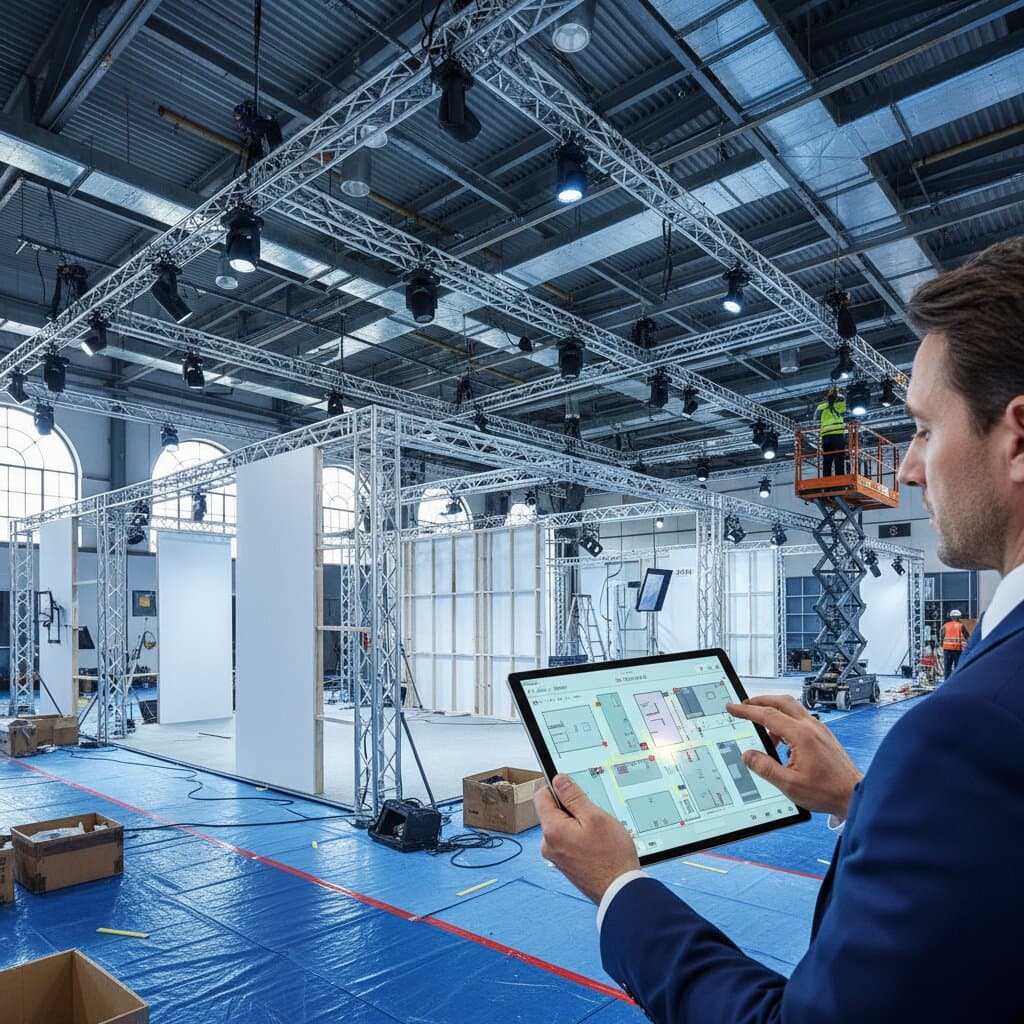
Organizing a trade show means orchestrating dozens of tasks, deadlines, and constraints into a single event. Venue booking, exhibitor outreach, floor plans, logistics, marketing, payment management : the list is long, and every detail matters.
This guide covers the concrete steps, from 12 months before opening day to the post-event review. No fluff, just what works in practice.
Despite the rise of digital, in-person meetings remain the top business driver in B2B. The French trade show market alone is worth 6.3 billion euros with over 1,100 events per year (source: UNIMEV 2025).
Organizing a trade show means creating a meeting point between supply and demand. Whether you're a professional federation, a chamber of commerce, an event agency, or an entrepreneur, trade shows remain a powerful format, as long as you execute well.
Reasons to get started:
Before anything else, answer three questions:
A successful trade show solves a concrete problem. "Connecting eco-friendly packaging manufacturers with food brands" is a clear concept. "A general industry trade show" is not.
The venue choice determines everything else: capacity, accessibility, cost, image.
Key criteria:
Timing. Avoid dead periods (August, holidays) and conflicts with competing events.
A 100-exhibitor show over 2 days costs between €60,000 and €150,000 depending on the venue tier. Check our detailed breakdown in our trade show profitability guide.
Key budget categories:
| Category | Budget Share |
|---|---|
| Venue rental | 25-35% |
| Technical & logistics | 15-20% |
| Marketing | 10-15% |
| Staff | 10-15% |
| Security & insurance | 8-12% |
| Contingency buffer | 10% |
Golden rule: only greenlight the project if your break-even point is reachable at 60% occupancy. Anything above that is bonus.
The floor plan is your number one sales tool for exhibitors. It needs to be clear, realistic, and appealing.
Best practices:
Static PowerPoint floor plans no longer cut it. An interactive online floor plan lets exhibitors browse available spots, compare sizes, and book directly. It saves organizers significant time and gives exhibitors confidence in their choice.
To weigh a fixed plan against a dynamic tool, our comparison between a PDF plan and an interactive floor plan details the limits of the PDF format as soon as the layout changes.
Your pricing depends on the sector, the show's reputation, and competition.
Typical structure:
Early bird. Offer 10-15% off for bookings before a deadline. This secures cash flow and creates urgency.
This is where the rubber meets the road. No exhibitors, no show.
Acquisition channels:
Common mistake: waiting for a perfect floor plan before selling. Start selling as soon as you have a clear concept, a confirmed venue, and pricing. The plan gets refined along the way.
Beyond 30-40 exhibitors, manual email management becomes unworkable. Follow-ups pile up, confirmations get lost, payments are tracked on gut feeling.
This is where an exhibitor management tool changes the game:
We cover this in detail in our article about managing exhibitors beyond Excel.
Exhibitors come to meet visitors. If the show is empty, they won't come back.
Typical marketing plan:
Logistics is the invisible backbone. Non-exhaustive checklist:
There are always 15-20% of exhibitors who haven't finalized one month out. Chase them systematically, by email, then by phone.
Tip: set a firm registration deadline. After that date, unconfirmed spots go back on sale. This creates urgency.
Once registrations close, lock the plan. This is when you:
A real-time interactive floor plan eliminates back-and-forth emails. Each exhibitor sees their booth, their neighbors, and practical info.
Everyone needs to know who does what on the day. Prepare a reference document with:
On the day, your role shifts. You stop managing and start steering.
Fundamentals:
A real-time dashboard gives you an overview without running through aisles: occupancy rate, revenue generated, registered visitors.
The show doesn't end when the doors close.
Within a week, compile the key data:
Satisfied exhibitors come back. Others don't. And retention is what makes a trade show profitable : acquisition always costs more than retention.
Post-event actions:
After working with dozens of organizers, here are the most common mistakes:
Organizing a trade show is ambitious, but structured. The steps are known, the tools exist, and the market is strong.
The key is anticipation. The earlier you start, the more room you have to adjust. And the more you digitize repetitive tasks (registration, payments, floor plans, communication), the more you focus on what matters: creating an event that delivers real value.
Want to see how Keyqo simplifies trade show organization? Check our features or pricing.
Sources: UNIMEV, Key Figures of the French Event Industry 2025 ; Bedouk Trade Show Barometer 2025
Trade show booth ideas that drive traffic and qualified leads: real budgets, formats, technologies, mistakes to avoid and real-world examples.
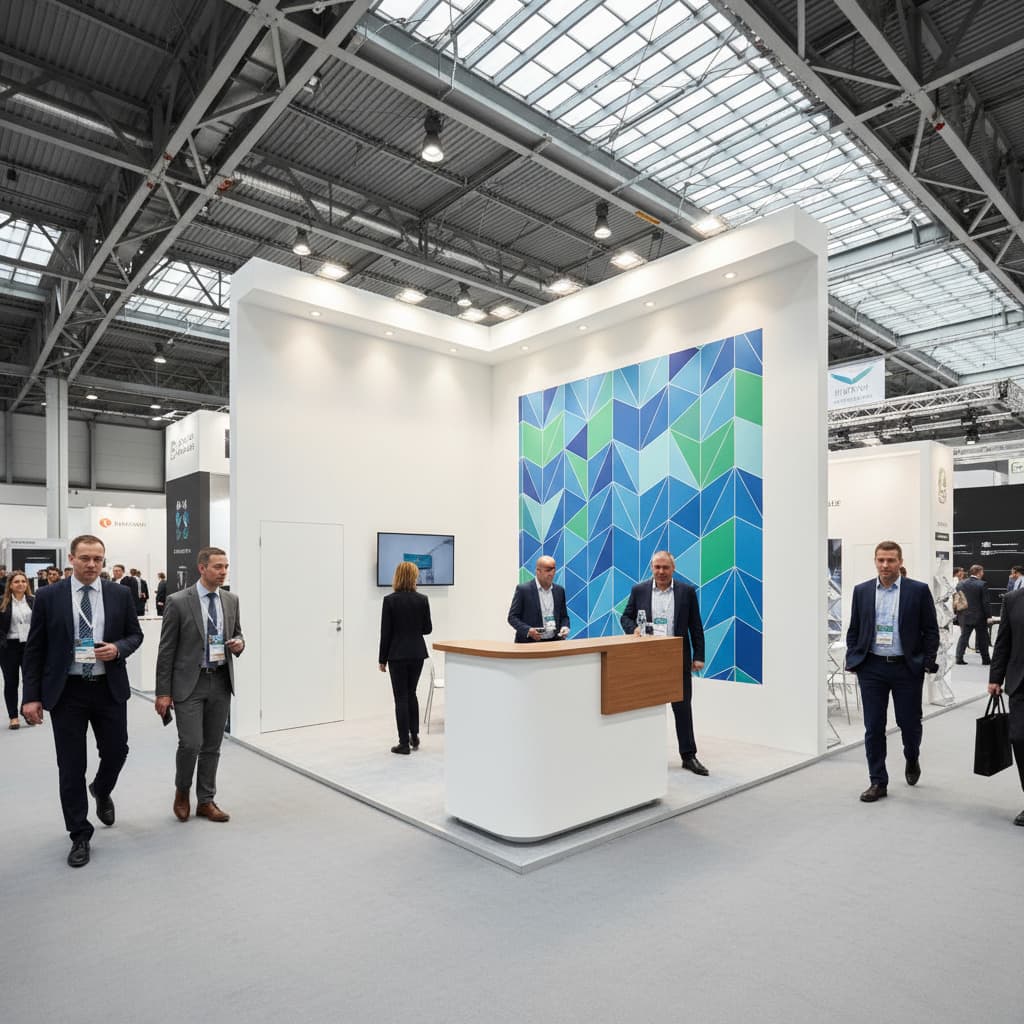
How to design a trade show display that attracts visitors and converts leads. Booth layout, display types, design mistakes to avoid: the full breakdown.
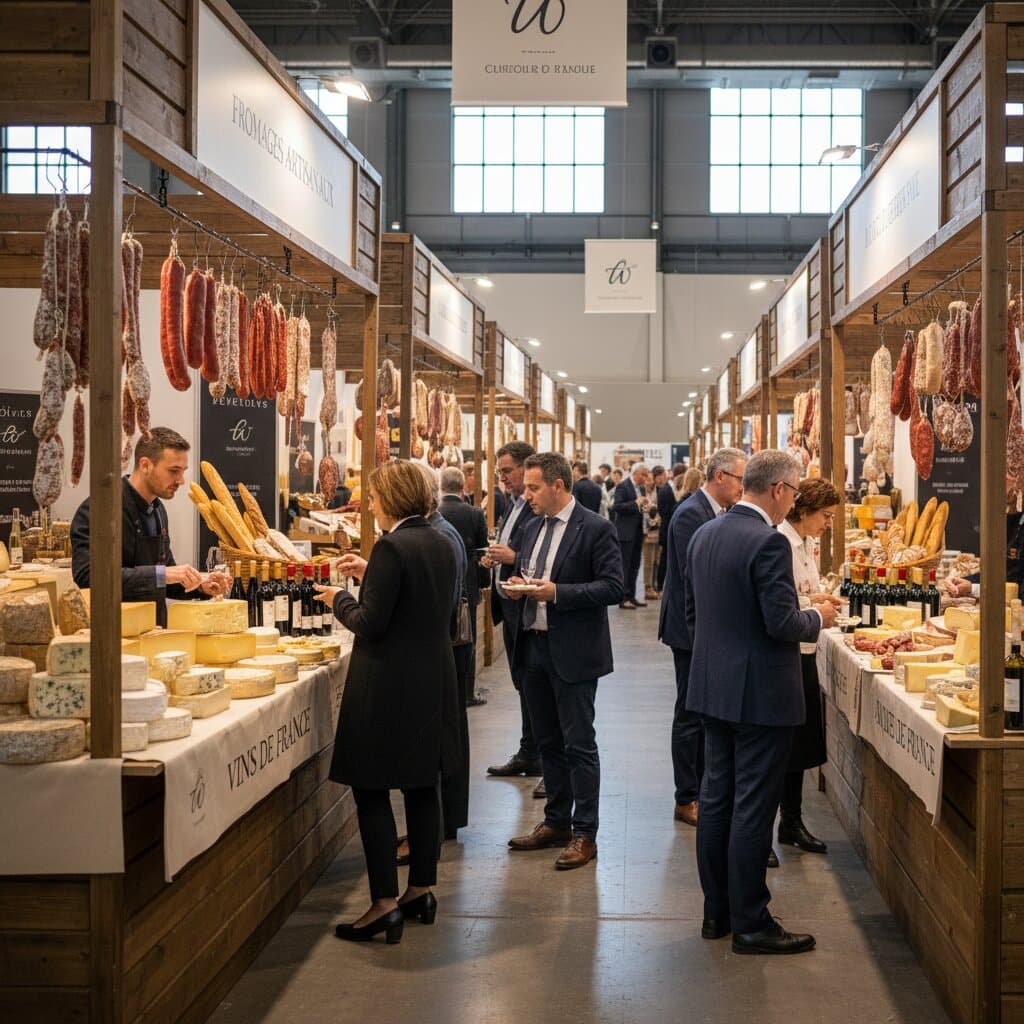
Calendar of gastronomy and wine fairs across France in 2026, by city and region. Budget, exhibitor tips, organizer logistics: the complete guide.