All
Trade Show Booth Ideas: The Complete Guide for 2026
Trade show booth ideas that drive traffic and qualified leads: real budgets, formats, technologies, mistakes to avoid and real-world examples.
12 min

UNIMEV data, field feedback and projections: what's really changing in trade show organization this year. No-buzzword analysis.
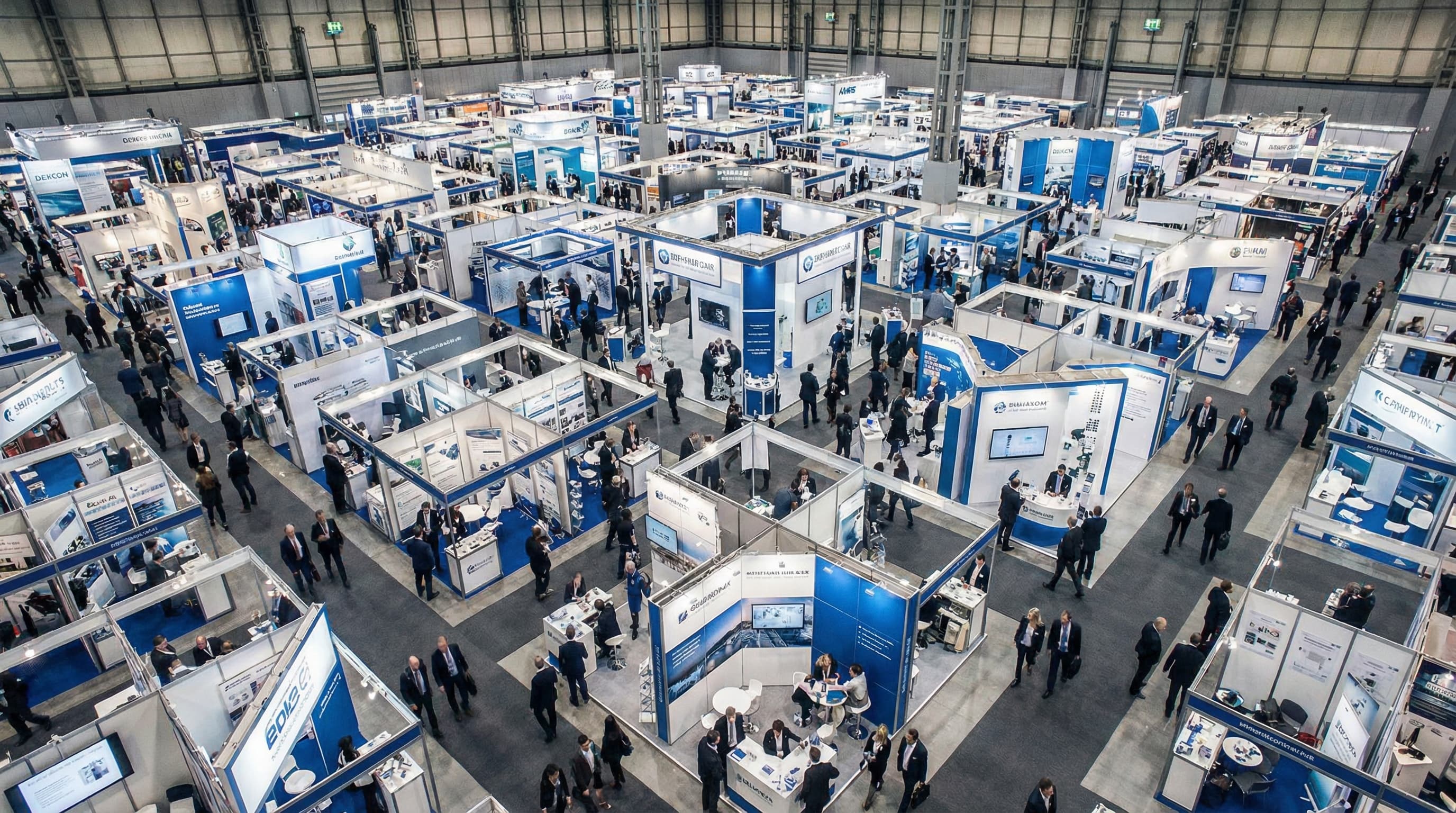
The trade show industry is entering a new phase. After the post-Covid recovery of 2023-2024 and the consolidation of 2025, 2026 marks a turning point. Organizers who don't adapt will lose exhibitors.
This isn't alarmist prediction. It's what the UNIMEV figures say and what I observe in the field.
The UNIMEV Economic Observatory announces +8 to +12% attendance for trade shows in 2026. Good news. But beware the trap: this growth is not evenly distributed.
Shows that perform share common characteristics. Those that stagnate do too.
Here are the 5 trends that make the difference this year.
What's changing: Exhibitors no longer want standardized packages. The 9m² booth with a table and two chairs is over.
The numbers: According to organizer feedback, 45% of quote requests now include customized options (premium location, additional services, atypical configuration).
What this means for you:
Rigid event software becomes a handicap. If your system only handles fixed "booth categories" (small/medium/large), you're missing revenue.
What works:
An exhibitor who can configure their package online converts 30% better than one waiting for an email quote.
What's changing: Exhibitors compare. They know market prices. Hidden fees no longer fly.
The context: The inflation in organization costs (+16.4% since 2020 according to UNIMEV) is reflected in rates. But exhibitors want to understand what they're paying for.
Practices that irritate:
What reassures:
A tip: if you need to explain your pricing for 10 minutes on the phone, it's too complex.
What's changing: The static PDF sent by email is over. Exhibitors want to see, zoom, understand their environment.
Why it's become critical:
An exhibitor booking a booth wants to know:
Without an interactive floor plan, they're booking blind. And when they discover on-site that they're stuck behind a pillar, the relationship is compromised.
What performing shows do:
The Agricultural Show with its 1,000 exhibitors couldn't function otherwise. But even an 80-exhibitor show gains professionalism with this approach.
What's changing: The generic "Dear exhibitors" email no longer works. Open rates are dropping.
The data: A personalized email (first name, booth number, specific information) has a 2.5x higher open rate than a generic email.
What this requires:
A structured exhibitor database. Not a spreadsheet with scattered columns.
For each exhibitor, you need to be able to filter by:
Then you can send:
Exhibitor management software that doesn't allow this segmentation wastes your time and efficiency.
What's changing: Exhibitors want proof of ROI. "It went well" is no longer enough.
What they're asking for:
What few organizers provide:
Most shows communicate a global figure: "15,000 visitors over 3 days". That's insufficient.
An exhibitor at the back of Hall C wants to know how many people passed by their booth. Not how many crossed the main entrance.
Emerging solutions:
This isn't reserved for mega-shows. Simple manual counting by zone, structured and documented, already makes a difference.
Despite these changes, some fundamentals remain:
Relationships come first. A well-supported exhibitor forgives technical imperfections. An ignored exhibitor won't come back, even if your 3D floor plan is magnificent.
Content brings people in. No digital tool compensates for an uninteresting show. Visitors come for exhibitors, conferences, new products. Not for the mobile app.
D-Day remains D-Day. You can digitize registration, payment, communication... The moment when 200 exhibitors arrive simultaneously with their trucks remains a human logistical challenge.
I'll be direct: implementing these 5 trends requires suitable tools. But not necessarily a huge budget.
Priority 1: The Exhibitor Database
First of all, get out of Excel. A real system where each exhibitor has a file, a history, attached documents. It's the foundation for everything else.
Priority 2: The Interactive Floor Plan
This has the most impact on exhibitor experience. Seeing their location, being able to show it to their team, it's concrete and immediate.
Priority 3: Communication Automation
Manual reminders are wasted time and guaranteed errors. Automate at least: confirmation, payment reminder, D-7 logistics info.
Priority 4: The Dashboard
Knowing in real-time where you stand (occupancy rate, collections, registrations) changes your daily life. No more compiling Excel at 10pm.
2026 isn't a revolution for trade shows. It's professionalization.
Exhibitors have choices. They compare shows. They talk to each other. An organizer stuck in 2015 methods loses attractiveness against a more modern competitor.
The good news: proper equipment is no longer reserved for big budgets. Solutions exist at prices accessible even for 100-exhibitor shows.
The key is to start. No need to do everything at once. Identify your main friction point (often exhibitor management or communication), address it, then move on to the next.
The event industry is doing well. Might as well take advantage with the right tools.
Sources: UNIMEV Economic Observatory 2025-2026, Event Data Book 2025
Trade show booth ideas that drive traffic and qualified leads: real budgets, formats, technologies, mistakes to avoid and real-world examples.
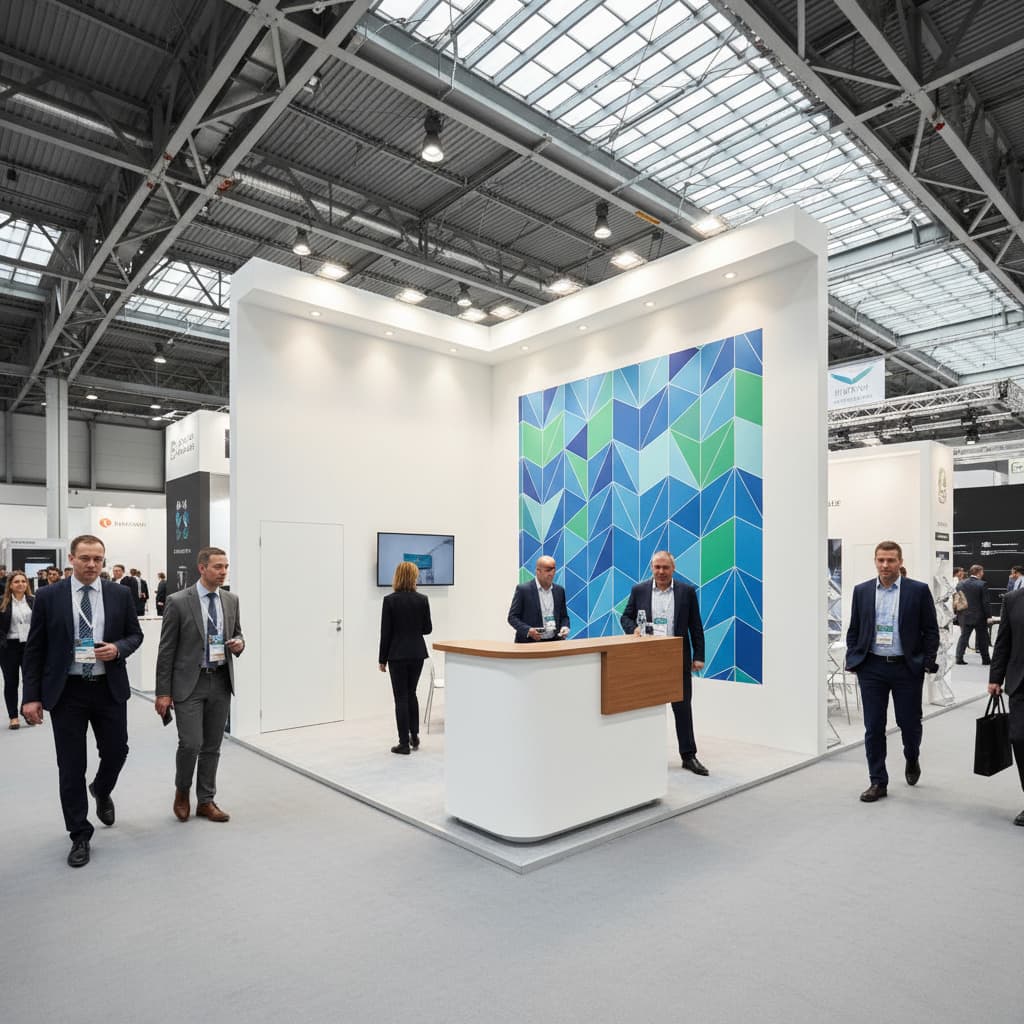
How to design a trade show display that attracts visitors and converts leads. Booth layout, display types, design mistakes to avoid: the full breakdown.
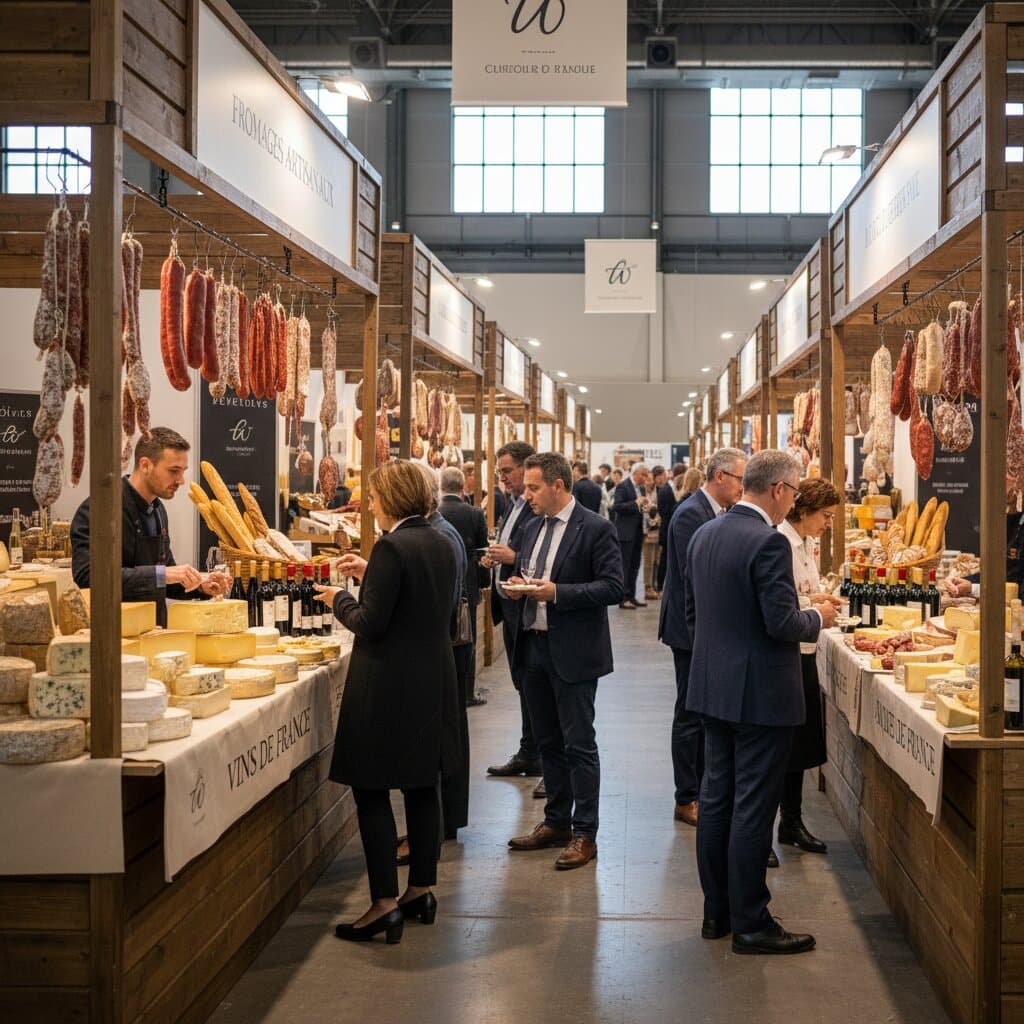
Calendar of gastronomy and wine fairs across France in 2026, by city and region. Budget, exhibitor tips, organizer logistics: the complete guide.