All
Salon du Chocolat Paris 2026: Dates, Tickets and Tips
The Salon du Chocolat in Paris runs 28 October to 1 November 2026 at Porte de Versailles. Dates, opening hours, ticket prices and tips, plus the other chocolate fairs across France.
7 min

Paris, Lyon, Bordeaux, Toulouse, Nice... Every major wedding fair in France in 2026: dates, venues, exhibitors and tips for couples and vendors.
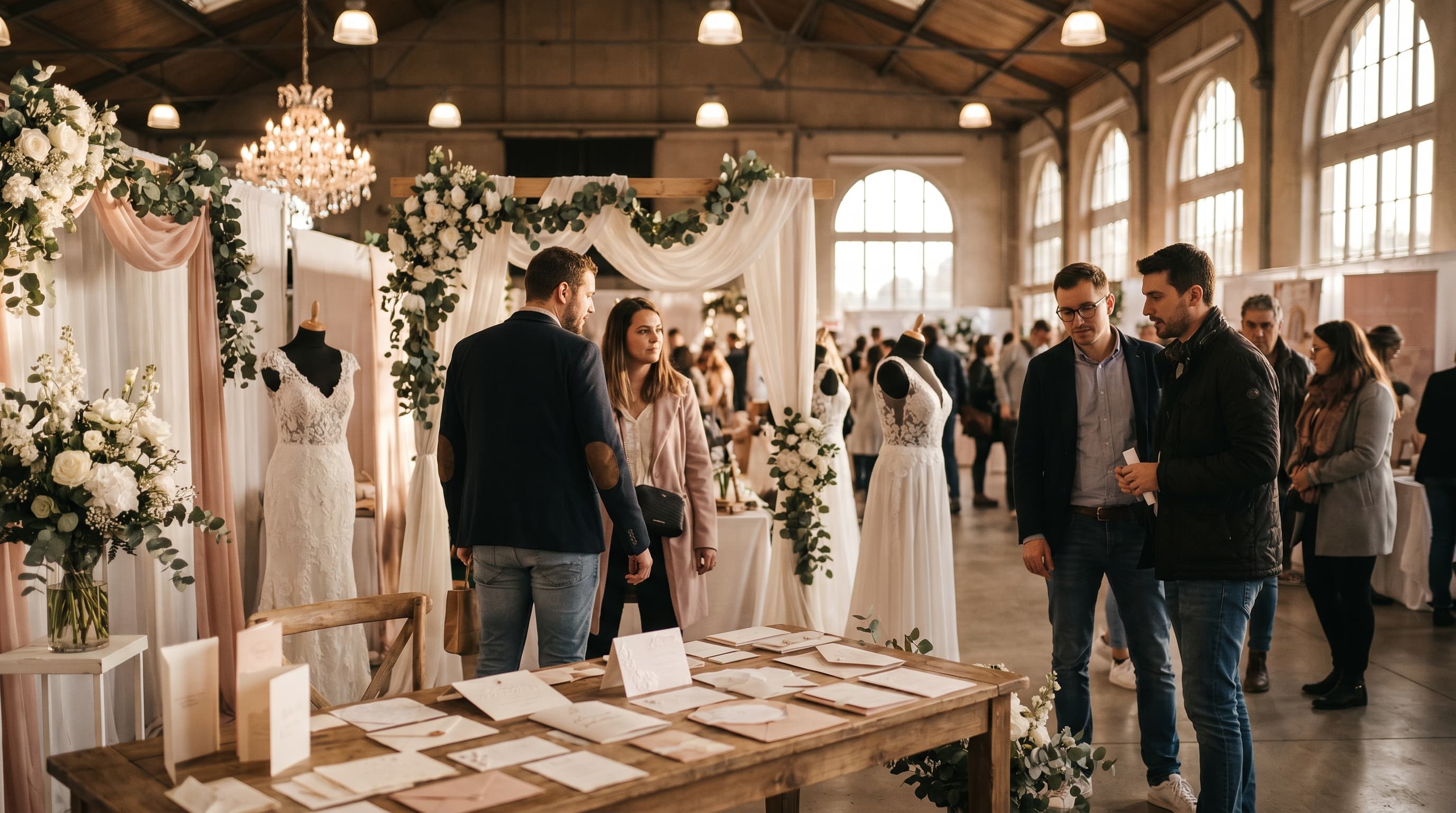
France is having a wedding moment. INSEE counted 251,000 weddings celebrated in 2025, the highest figure in twenty years, with an average wedding budget around €17,100. That adds up to a multi-billion-euro sector and a crowded landscape of vendors (photographers, caterers, florists, dress designers, reception venues) all competing for the attention of couples planning their big day.
In this ecosystem, wedding fairs (salons du mariage) remain the central meeting point. Two days to gather 100 to 300 vendors in one place, compare quotes, see dresses on models, taste caterers' menus, find the venue. The 2026 calendar is particularly dense with more than thirty editions spread across the country, from the flagship Salon du Mariage in Paris (Porte de Versailles) to regional editions in Laval, Bayonne or Olemps.
This guide is written for couples who want to pick the right fair, for vendors weighing where to exhibit, and for event professionals trying to understand the format. Dates, venues, exhibitors, budgets, practical advice : all here.
In a market flooded with Pinterest boards and Instagram vendors, you might assume physical wedding fairs have lost their purpose. The opposite is happening. Qualified visitors keep coming because planning a wedding has become so complex that an in-person event solves problems digital channels simply can't.
A wedding dress is judged on its real cut, not on a mockup. A caterer is chosen after tasting. A photographer is selected after flipping through physical prints. A wedding fair is the only place where all of this happens over two days, without having to schedule ten separate appointments. For working couples, the time savings are significant.
Most exhibitors offer "wedding fair" discounts valid for 30 to 60 days after the event. On a €17,000 global budget, capturing 10 to 15% off across several vendor categories can mean several thousand euros saved. These terms almost never apply to couples contacting vendors one by one through cold outreach.
Instagram and Google algorithms keep surfacing the same players. A regional fair puts a spotlight on local florists, independent wedding planners, photographers who don't invest in SEO, gems that never show up on the first page of search results.
When people talk about a wedding fair in France, the reference remains the Paris edition at Porte de Versailles. It's the largest, the most media-covered, and the industry barometer.
The 300 exhibitors cover the full wedding ecosystem: dress and suit designers, caterers, photographers, jewelers, reception venues, florists, wedding planners, DJs and entertainment. Fashion shows run throughout both days with collection presentations from French and international designers.
The autumn edition mainly targets couples planning 2027 weddings. Wedding planning typically takes 12 to 18 months for a medium-sized event, so September 2026 lands in the reflection window for summer 2027 ceremonies.
The wedding fair circuit covers all of mainland France. Here are the confirmed 2026 editions, ordered by date.
January is historically the pivotal month. Couples who got engaged during the holidays immediately start structuring their planning. January fairs therefore concentrate a significant share of the year's bookings.
The Versailles edition runs for three days instead of the usual two. Aix-en-Provence falls on Valentine's weekend, timing that is obviously not a coincidence.
Spring wedding fairs are rarer in France. Most organizers concentrate on the January-February peak and the autumn season.
Not all wedding fairs are created equal. There are two schools, each with its advantages depending on the couple or vendor profile.
For a couple planning a regional wedding, the regional fair is often more relevant: the vendors present are the ones who will actually work the reception venue. A Paris caterer won't drive down to serve a wedding in the Tarn.
Visiting together avoids back-and-forth and accelerates decisions. Before you arrive, agree on a global budget and its main lines (reception: X, attire: Y, photo-video: Z, flowers: W). Without that framework, you risk signing under commercial pressure.
A 300-exhibitor fair takes 4 to 6 hours to cover properly if you want meaningful conversations. Arriving at 5 PM for a fair that closes at 7 PM is counterproductive. The best slots are Saturday morning (fewer crowds) or Sunday morning.
Nearly every vendor offers preferential rates for couples met at the fair. These conditions aren't always displayed, you have to ask. Note the validity period: usually 30 to 60 days after the event.
Don't sign anything on-site unless you're 100% certain. Pick up brochures, photograph displayed prices, note contact names. The sorting happens more calmly the next day, with a clear head.
The best artisan florists, wedding planners who work exclusively by word of mouth, photographers who ignore social media : these are often discoveries you can only make at a fair. Give their business card a real shot, even if their website isn't impressive.
For vendors weighing whether to exhibit, the key question is ROI. On paper, a stand at a national fair costs between €1,500 and €6,000 depending on surface and position, plus transport, furniture, signage, staff and accommodation. At a regional fair, the ticket drops to €500-€2,000.
A vendor who closes 3 to 5 firm weddings during the fair, with an average value of €3,000 to €8,000 depending on the category, comfortably covers the investment. The tricky part: don't stop at weekend contacts ; actively follow up within 15 days, the window when couples shortlist.
Launching a regional wedding fair is not trivial. National brands (Le Salon du Mariage, long-standing organizers) already own the big cities. But there's still plenty of room in secondary markets (Chambéry, Angoulême, Colmar, La Rochelle, Pau, Brest) where a well-executed regional format finds its audience.
The temptation is to fill every stand at any cost. That's a mistake. A fair with 60 curated vendors (no two competing photographers side by side, a real mix of price ranges, all essential categories covered) generates more satisfaction than a fair with 120 stands but three identical caterers and zero wedding planner.
Porte de Versailles works because it's the reference. In the regions, the venue needs character: a modern convention center, a château, an orangerie, a signature space. A municipal hall with blue carpet doesn't cut it for a wedding event ; aesthetics are half the product.
Free entry brings volume but not necessarily couples ready to spend. Paid entry (€5-€8) with mandatory registration filters attendees and lets you hand vendors a qualified contact list after the event, value that often justifies the stand price on its own.
For organizers juggling dozens of stands, exhibitor bookings and payments in parallel, a dedicated tool becomes essential fast. Platforms like Keyqo let you publish an interactive floor plan, manage stand reservations online and track payments, instead of juggling Excel and a hacked-together WordPress setup. To estimate the required surface area before even starting, the surface calculator provides a reliable sizing baseline.
The wedding market in France is healthy, and wedding fairs remain the pivot moment of preparation for both couples and vendors. The 2026 calendar is especially rich: Paris in January and September, Bordeaux, Lyon and Toulouse in major national formats, plus more than twenty regional editions from Blois to Bayonne via Strasbourg, Nice and Montpellier.
For a couple, one or two well-chosen fairs can lock in 60 to 80% of vendors in a single weekend, while securing discounts that are impossible to obtain otherwise. For a vendor, exhibiting remains one of the most effective acquisition channels in the sector, provided you prepare the stand and the post-event follow-up seriously. For an organizer, the format is proven, but curation quality and the venue are what separate a forgettable edition from an annual rendezvous that vendors fight to get into.
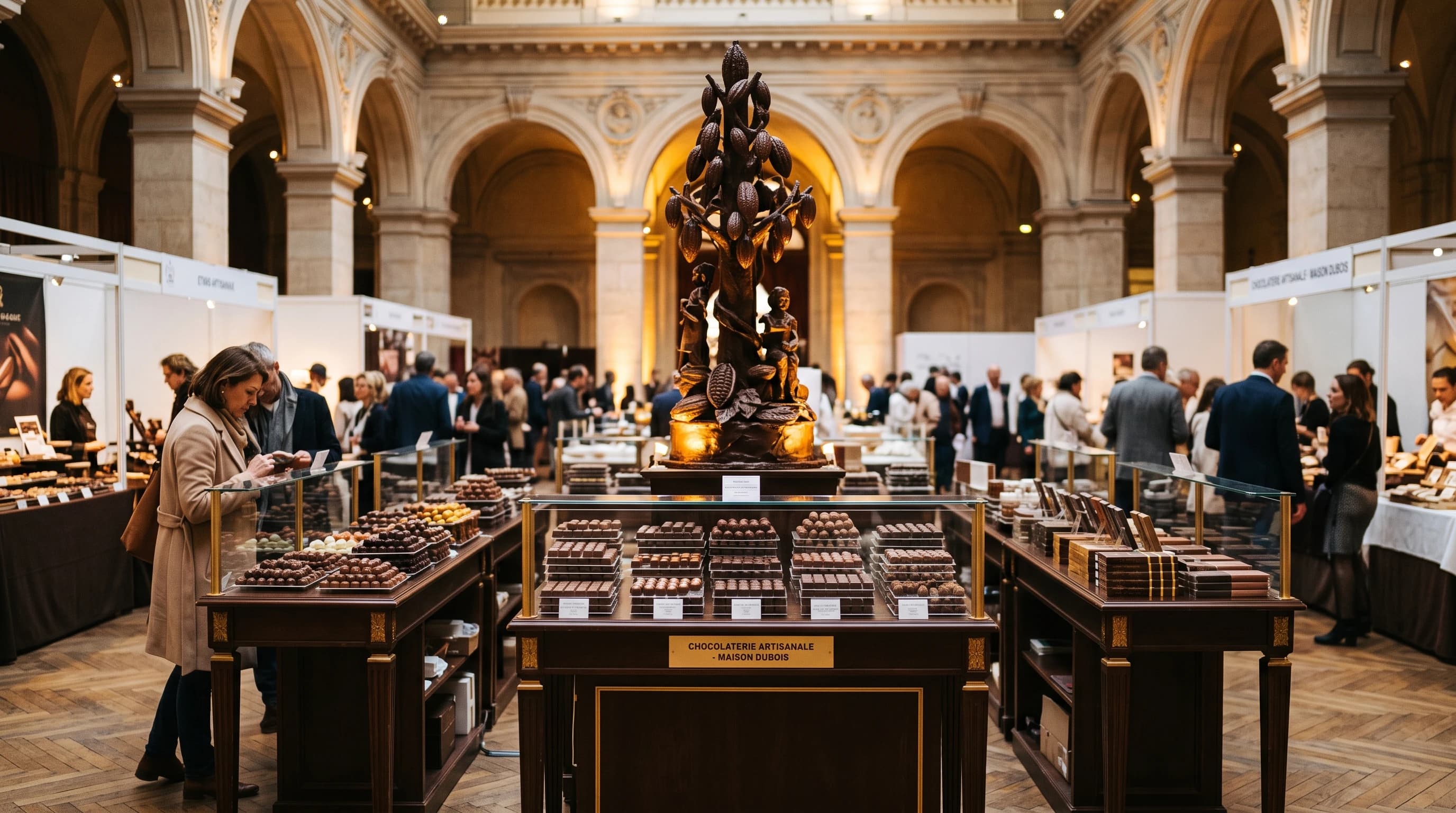
The Salon du Chocolat in Paris runs 28 October to 1 November 2026 at Porte de Versailles. Dates, opening hours, ticket prices and tips, plus the other chocolate fairs across France.
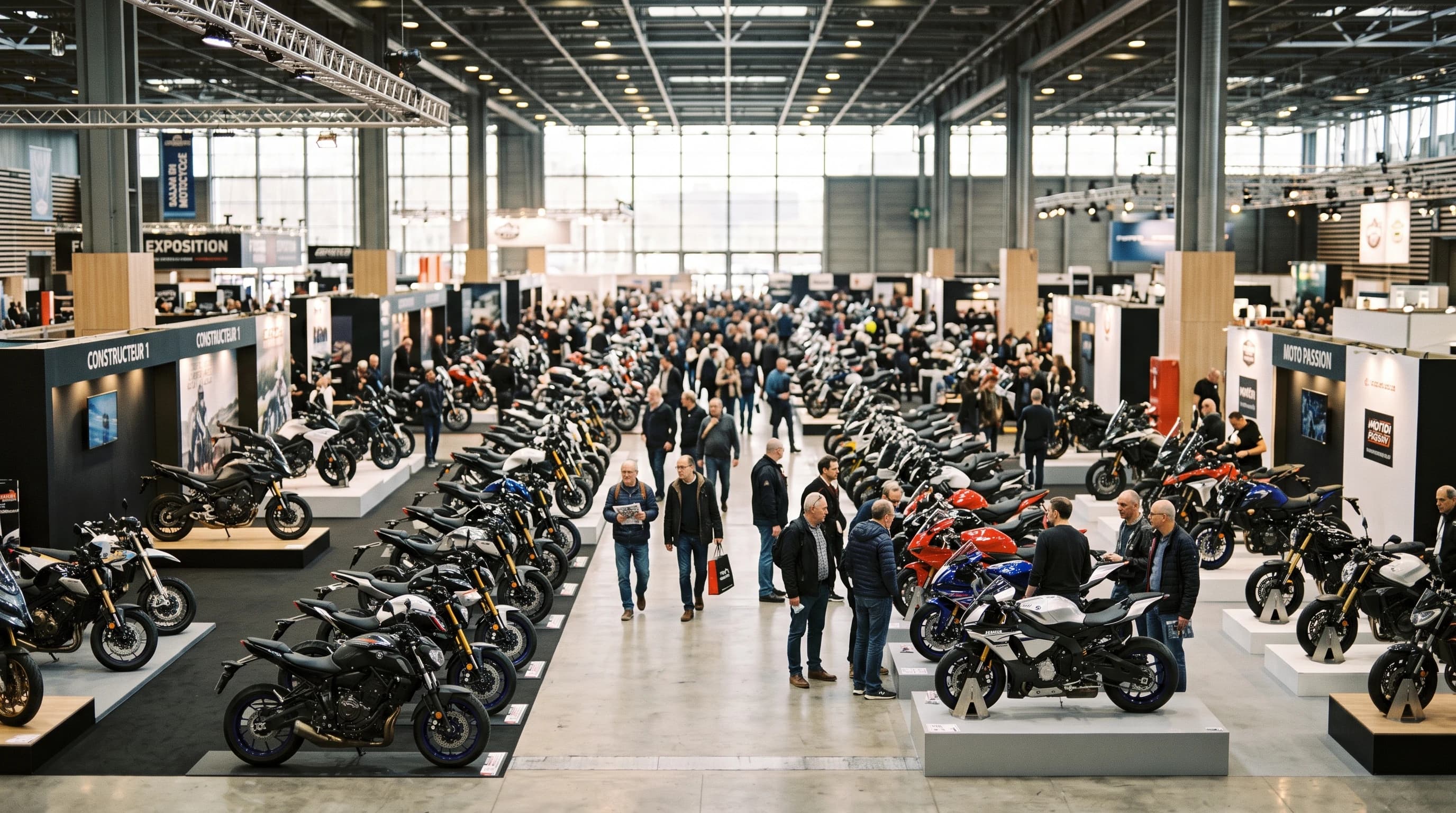
From the Lyon Two-Wheeler Show to the Bol d'Or: dates, cities and details of the main motorcycle shows, races and festivals in France in 2026.
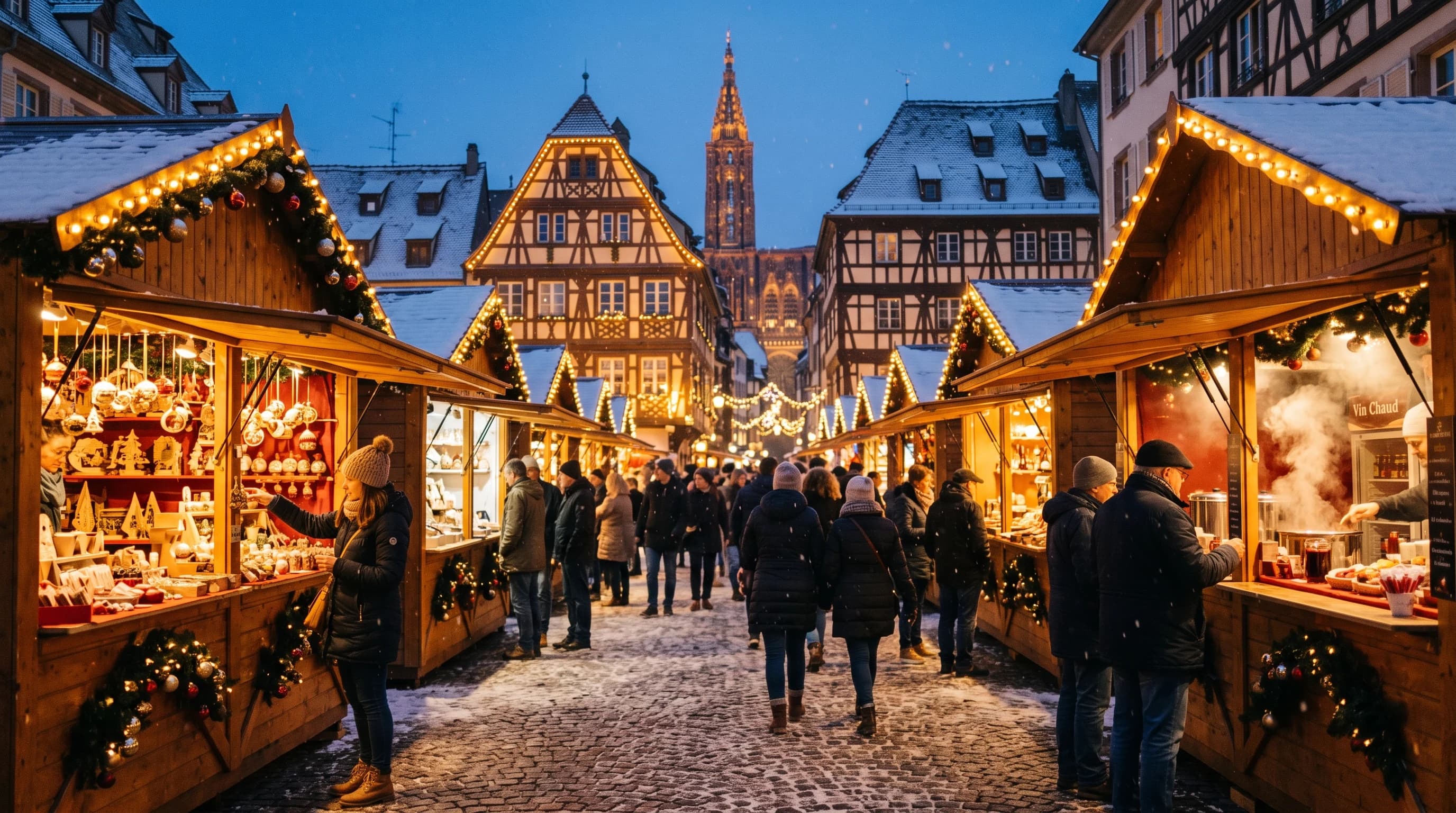
Confirmed 2026 dates for France's Christmas markets, city by city: Colmar, Metz, Bordeaux, La Défense, plus what a vendor chalet really costs.