Industry
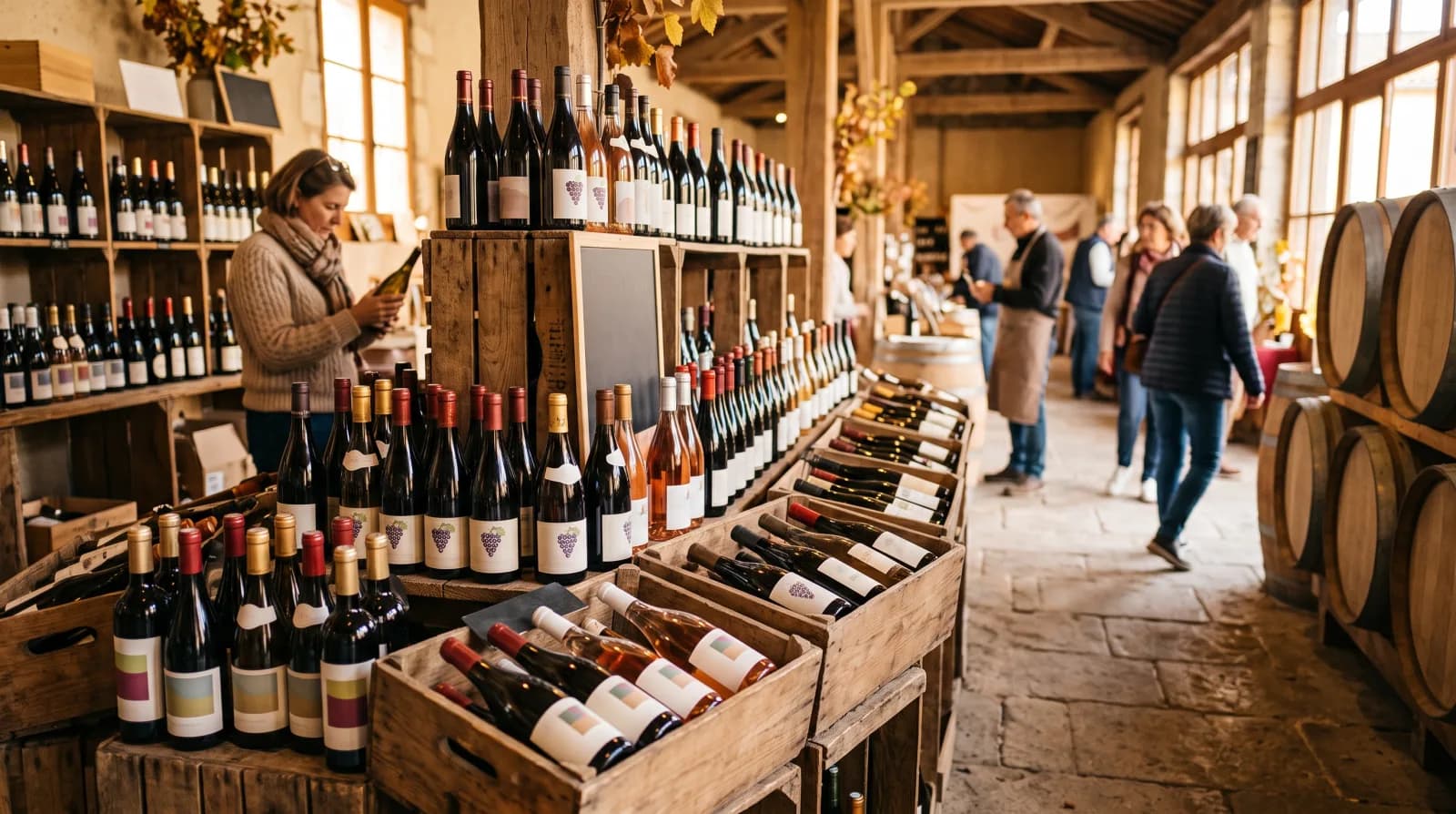
Wine Fairs in France 2026: Dates, Retailers and Salons
The 2026 wine fair calendar in France: autumn dates for Leclerc, Carrefour, Lidl and more, plus the big independent winemakers' salons worth visiting.
9 min

The Agricultural Show remains a reference. But county fairs have assets Paris doesn't.
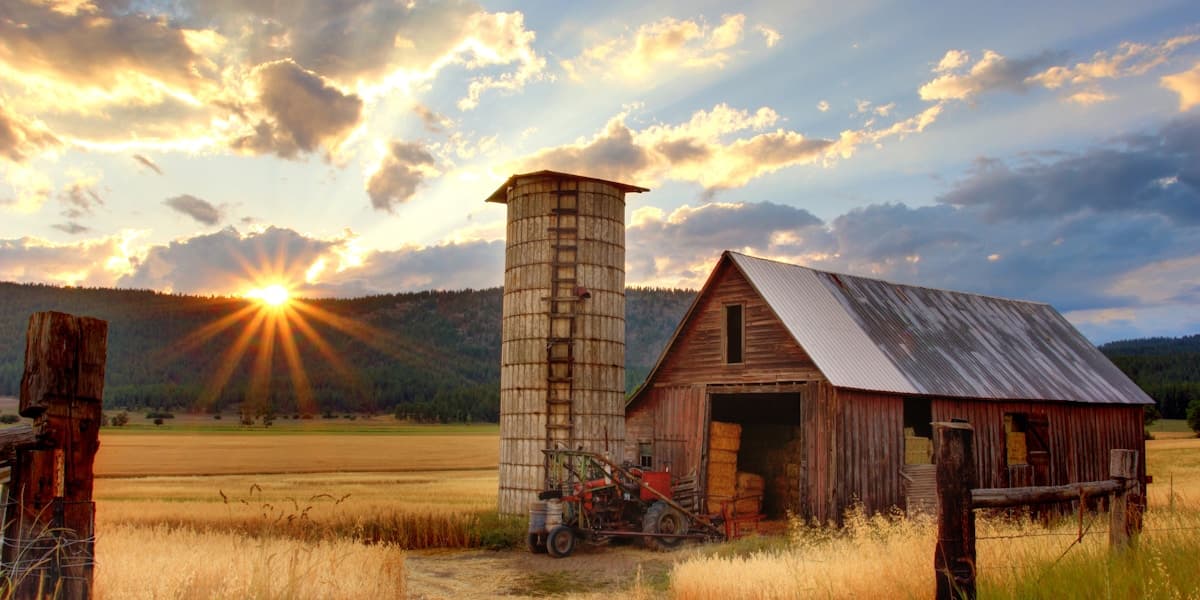
603,652 visitors. 1,000 exhibitors. 4,000 animals. 9 days.
The 2025 International Agricultural Show once again demonstrated the French attachment to their agriculture. Despite a tense context (angry farmer protests on the first Saturday), attendance remained solid.
But what can local and county agricultural fair organizers take from it?
Let's be clear: nobody can reproduce the Agricultural Show regionally. Neither the budget (several million euros), nor the logistics (Porte de Versailles is 230,000 m²), nor the media coverage (every president visits).
And that's fine. Local fairs have other assets.
A breeder from Cantal won't go to Paris to show their Salers cattle. But they'll travel 50 km to participate in the Saint-Flour fair. The territorial network of agricultural fairs reaches exhibitors and visitors the SIA will never touch.
Exhibiting at SIA costs 300 to 500€ per m². For an 18m² stand, you exceed 7,000€ in rental alone. Add animal transport, accommodation, labor...
A local fair offers rates 5 to 10 times lower. It's accessible to small breeders.
At SIA, halls are air-conditioned, aisles straight, stands polished. It's professional, but it looks like any trade show.
An outdoor fair, with straw and livestock smells, tractors maneuvering in mud, conversations in local dialect... That's irreplaceable.
Let's take a medium-sized agricultural fair: 5,000 to 10,000 visitors over 2-3 days.
Revenues:
Expenses:
Margin: 60,000€ (45%)
These figures are realistic for an established fair. First year will be less profitable (stronger communication, fine-tuning).
This is THE major constraint. Each animal present must have:
Digitalization helps enormously. Rather than checking papers at entry, a QR code linked to the national bovine identification database (BDNI) allows instant verification.
A stressed animal is a potential accident and bad image. Basic rules:
SIA has strict protocols. Local fairs must draw inspiration, at their scale.
An outdoor fair in November in the Massif Central is challenging. Plan covered structures for animals and main demonstrations.
Conversely, an August fair at 35°C poses heat problems for livestock. Animal welfare takes priority over ideal calendar.
This is the beating heart of an agricultural fair. Ring presentation, judge commentary, ranking suspense... The public loves it.
Tip: don't multiply categories. 5-6 well-organized competitions are worth more than 20 rushed ones.
Agricultural machinery manufacturers are interested. A demo field where you see equipment in action beats any static stand.
Sausage and chips in a cardboard plate? No. Local beef grilled over wood fire, served with local potatoes? Yes.
Food is part of the experience. Work with local producers.
For families, it's essential. Children touching a lamb, seeing a cow up close, learning where milk comes from... They're your future visitors.
Agriculture has its particularities. Facebook is more used than Instagram. WhatsApp has become a professional tool. SMS works better than apps.
What works:
What doesn't work:
An agricultural fair is also a recruitment venue. French agriculture needs 50,000 workers per year. Young people visiting a fair, talking with passionate breeders, discovering the trades... they might be tomorrow's farmers.
Work with agricultural high schools, chambers of agriculture, young farmer groups. They want visibility.
The Agricultural Show is held late February - early March. That's when agriculture is in the media.
Schedule your communications in the wake. "Liked the SIA? Find your local producers at the... fair." It's the ideal time to ride the media wave.
The Agricultural Show is a monument. But 600,000 visitors in Paris represents maybe 1% of French people. The remaining 99% are who local fairs can reach.
The goal isn't to do "like Paris but smaller". It's to offer something different: more accessible, more authentic, more rooted in the territory.
Farmers need these local showcases. Consumers want to reconnect with their food. Agricultural fairs are the place for this meeting.
Sources: SIA 2025 Report (salon-agriculture.com), La France Agricole
The 2026 wine fair calendar in France: autumn dates for Leclerc, Carrefour, Lidl and more, plus the big independent winemakers' salons worth visiting.
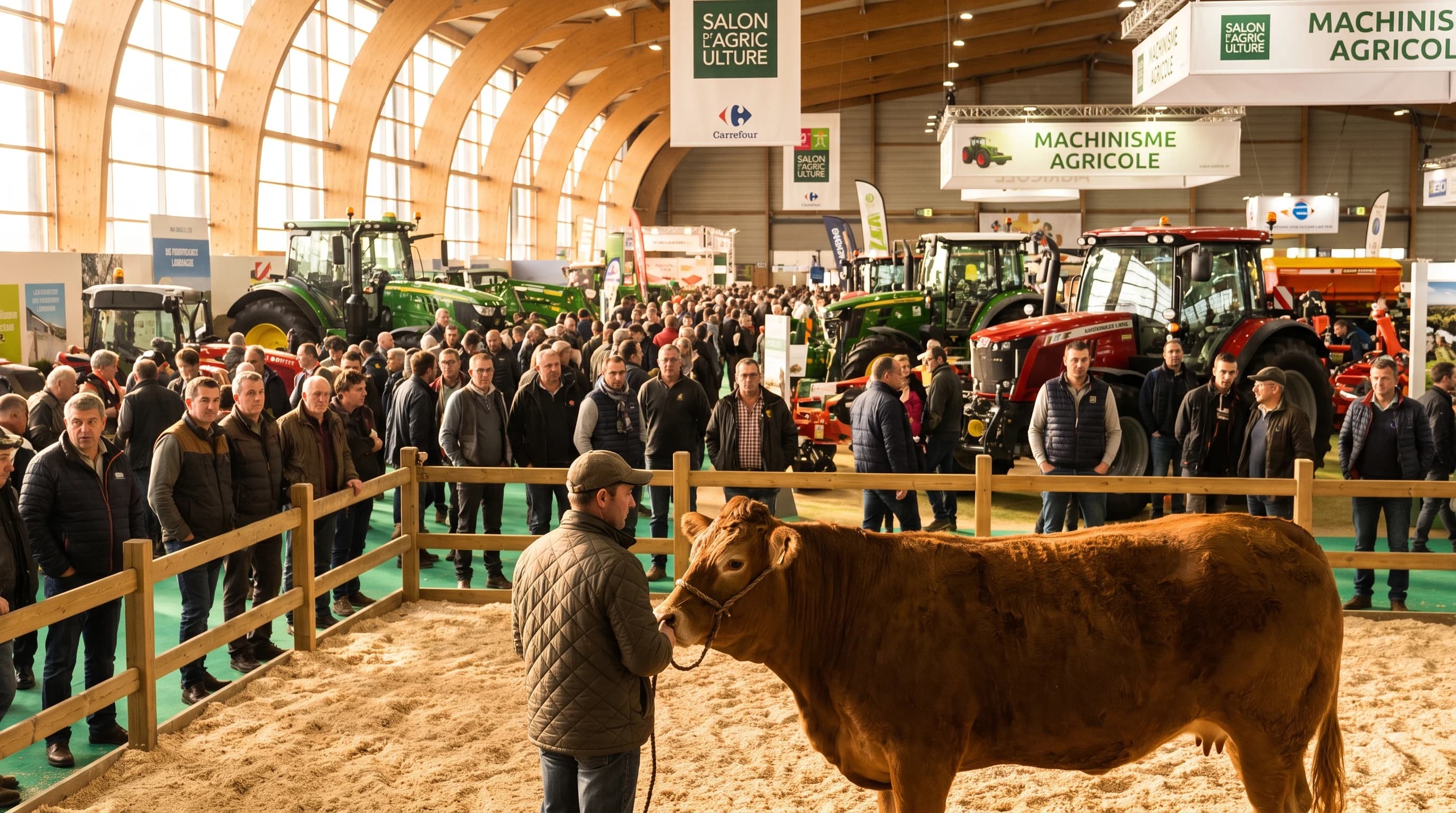
Verified dates for France's farm show season: SPACE Rennes, Sommet de l'Élevage, Vinitech-Sifel, SIVAL and the Paris International Agricultural Show 2027.
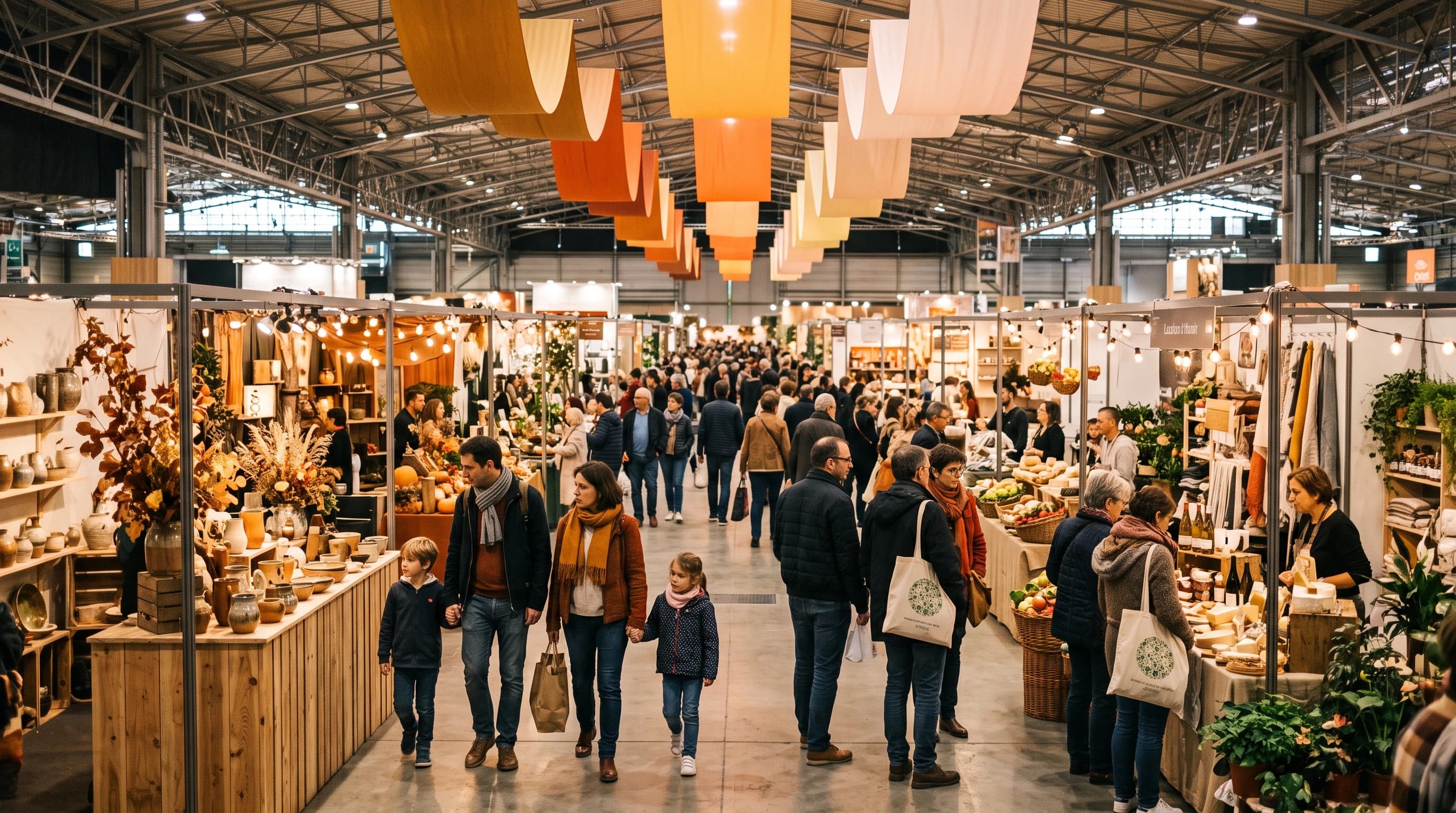
The calendar of France's major autumn fairs 2026: Châlons, Strasbourg, Marseille, Metz, Montpellier, Paris and Dijon, with confirmed dates and profiles.