Industry
Wine Fairs in France 2026: Dates, Retailers and Salons
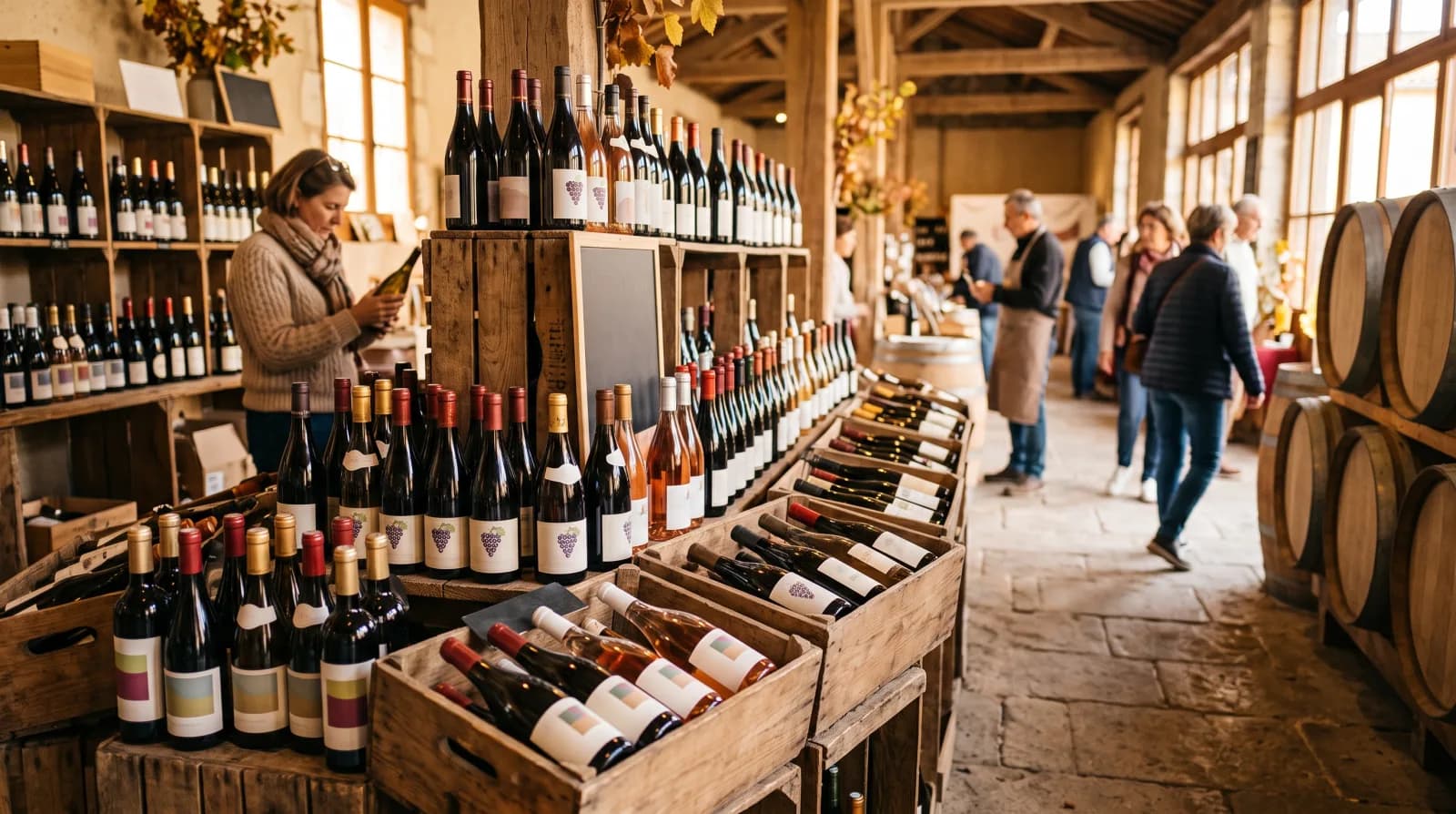
The 2026 wine fair calendar in France: autumn dates for Leclerc, Carrefour, Lidl and more, plus the big independent winemakers' salons worth visiting.
9 min

Top 10 wellness fairs in France for 2026: Salon Zen Paris, Naturally Lyon, Artemisia Marseille and more. Dates, cities and exhibitor budget.
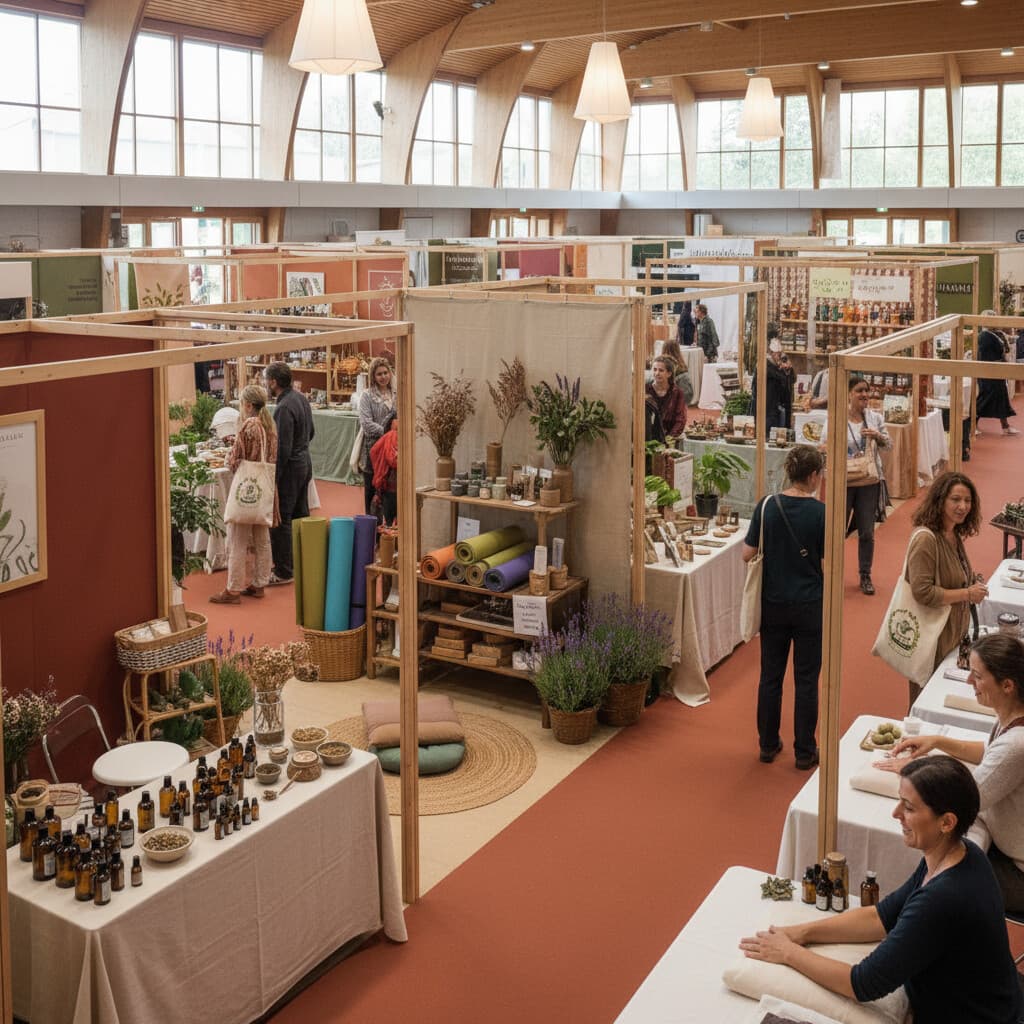
France has a long tradition of "bien-être", a broad concept that covers everything from yoga and meditation to naturopathy, organic cosmetics, and alternative therapies. Over the past five years, that tradition has turned into a full-blown industry, with wellness fairs growing faster than almost any other event category in the country.
In 2025, the French wellness event market generated an estimated €180 million in revenue, according to UNIMEV figures. More than 400 wellness-related fairs took place across France, from intimate 30-exhibitor gatherings in provincial towns to massive 500+ exhibitor shows in Paris.
If you're thinking about organizing a wellness fair in France (or exhibiting at one), this guide covers everything you need to know.
Before we get into logistics, it's worth understanding why wellness fairs don't work like standard trade shows.
The audience is different. Visitors come for a personal experience, not just to browse products. They want to try a massage chair, attend a meditation session, taste herbal teas. A wellness fair that feels like a commercial exhibition will disappoint.
Exhibitors are often small businesses. Solo practitioners, artisans, micro-brands. They don't have the budgets of corporate exhibitors. Your pricing and booth options need to reflect that.
The atmosphere matters enormously. Lighting, sound levels, scent, space between booths : these details make or break a wellness event. Cramming 200 stands into a hall designed for 150 will kill the vibe instantly.
Workshops drive attendance. At most trade shows, the exhibition floor is the main draw. At wellness fairs, workshops and demonstrations often matter more. Plan for at least 30% of your floor space to be dedicated to activity areas.
The wellness event landscape in France breaks down into several distinct categories.
The most common format. These broad events cover everything wellness-related: nutrition, fitness, mental health, natural cosmetics, alternative medicine, spirituality. They attract a general audience : mostly women aged 30-60, but increasingly diverse.
Typical size: 80-300 exhibitors, 3,000-20,000 visitors over 2-3 days.
Focused on organic and natural products : food, cosmetics, cleaning products, textiles. These overlap with wellness but lean more commercial. Think product sampling and retail sales rather than workshops.
Major example: Salon Marjolaine in Paris (350+ exhibitors, 80,000 visitors). It's been running since 1976 and remains the reference for organic products in France.
A growing niche. These events blend festival culture with yoga practice : outdoor settings, live music, group sessions. Less commercial, more experiential. Often held in summer in scenic locations.
More specialized events focused on alternative medicine: acupuncture, osteopathy, sophrologie (a relaxation technique popular in France), energy healing. These attract a committed audience that knows exactly what they're looking for.
Professional events targeting the spa and thermal bath industry. These are B2B-focused, with equipment suppliers, cosmetic brands, and training organizations exhibiting to spa managers and hotel groups.
Here are the key events to know about, whether you're planning to exhibit, visit, or study the competition.
When: November 2026 (exact dates TBC)
Where: Parc Floral de Paris, Vincennes
What: France's oldest and largest organic and wellness fair. Running since 1976, Marjolaine is an institution. Over 350 exhibitors across organic food, natural cosmetics, well-being, and sustainable living. Approximately 80,000 visitors over 9 days.
Why it matters: If you're in the organic or natural wellness space in France, this is the event. The audience is engaged, informed, and ready to buy.
When: October 2026
Where: Espace Champerret, Paris
What: One of the most established wellness-only fairs in France. Covers meditation, yoga, therapies, personal development, and holistic health. Around 250 exhibitors and 20,000+ visitors over 4 days.
Why it matters: Strong brand recognition. Visitors come specifically for wellness, not general shopping. Good conversion rates for exhibitors.
When: June 2026
Where: Paris Expo, Porte de Versailles
What: A newer but fast-growing fair combining natural products, organic food, and wellness. Professional and public days. Around 400 exhibitors.
Why it matters: Positioned as the modern alternative to older fairs. Attracts a younger demographic (25-45) and strong media coverage.
When: February 2026
Where: Parc des Expositions, Porte de Versailles
What: Focused on alternative medicine, thalassotherapy, and holistic health. Features a strong conference program with practitioners and researchers. Around 300 exhibitors, 35,000 visitors.
Why it matters: The most medically-oriented wellness fair in France. Draws health professionals alongside the general public.
When: March/April 2026
Where: Eurexpo Lyon
What: The main wellness fair for the Rhône-Alpes region, which has a strong wellness culture (proximity to the Alps and numerous thermal towns). Around 200 exhibitors.
Why it matters: Lyon is France's second city and a gateway to southeastern France. If you're expanding beyond Paris, this is a logical first step.
When: Spring 2026
Where: Parc Chanot, Marseille
What: Southern France's key wellness and organic fair. Covers aromatherapy, herbalism, organic food, and alternative therapies. Strong regional identity : Provence is associated with lavender, herbs, and natural wellness.
Why it matters: Different audience from Parisian events. More relaxed, more focused on Mediterranean traditions. Around 150 exhibitors.
When: Various dates throughout 2026
What: A touring format that brings wellness fairs to mid-sized French cities. Each edition has 100-200 exhibitors and 5,000-15,000 visitors.
Why it matters: These regional events are where the growth is happening. Less competition for exhibitors, lower costs, and engaged local audiences.
If you're considering organizing a wellness event, here's what you need to know beyond standard event planning.
At a tech trade show, you can line up booths in rows and people will navigate just fine. At a wellness fair, the spatial experience is part of the product.
Best practices:
An interactive floor plan is essential here. Exhibitors need to choose their location based on neighboring stands, and visitors need to navigate by theme. A PDF map won't cut it.
Workshops typically represent 40-60% of visitor satisfaction at wellness fairs. This is not an afterthought.
What works:
What doesn't:
This is where wellness fairs differ most from general trade shows. Your exhibitors define your event's credibility.
The wellness space includes legitimate practitioners with decades of training alongside dubious operators selling miracle cures. Your job as an organizer is to curate.
Minimum due diligence:
This matters for your event's reputation and for legal liability. French consumer protection law (Code de la consommation) is strict on misleading health claims.
Here's a realistic budget breakdown for a mid-sized wellness fair (150 exhibitors, 2-day event in a regional city).
| Item | Range | Notes |
|---|---|---|
| Venue rental | €15,000 - 40,000 | Highly variable by city and venue |
| Insurance | €2,000 - 5,000 | Mandatory, includes public liability |
| Security | €3,000 - 8,000 | Required by French law for public events |
| Technical (sound, lighting) | €5,000 - 15,000 | Higher than standard fairs ; ambiance matters |
| Workshop spaces setup | €3,000 - 8,000 | Mats, cushions, sound insulation |
| Marketing | €5,000 - 20,000 | Social media, local press, influencer partnerships |
| Signage and decoration | €3,000 - 10,000 | Natural materials preferred ; budget accordingly |
| Staff | €4,000 - 10,000 | Day-of staff plus upstream coordination |
| Total | €40,000 - 116,000 |
| Source | Typical % | Notes |
|---|---|---|
| Booth rentals | 55-65% | Lower average price per booth than B2B fairs |
| Paid workshops | 10-20% | Growing revenue source |
| Visitor tickets | 10-15% | €5-12 per entry typical |
| Sponsorship | 5-15% | Natural brands, wellness apps, local businesses |
| Food court commission | 2-5% | If you host food vendors |
Typical booth pricing for wellness fairs in France:
| Booth Size | Price Range |
|---|---|
| 4 m² (solo practitioner) | €300 - 600 |
| 9 m² (standard) | €600 - 1,200 |
| 12 m² (premium) | €900 - 1,800 |
| 18 m²+ (brand) | €1,500 - 3,000 |
These are significantly lower than B2B trade shows, where a 9 m² booth can cost €3,000-5,000. The wellness audience can't absorb those prices. But your costs are also lower : wellness fairs don't need the same technical infrastructure as a tech expo.
Scent management. This sounds trivial but it's a real issue. Twenty aromatherapy exhibitors plus incense vendors plus essential oil diffusers equals a headache, literally. Set rules about diffusion limits and space scent-heavy exhibitors near ventilation.
Water and washroom access. Yoga workshops, massage demonstrations, and hydration-focused exhibitors all need water access. Plan this into your venue selection.
Noise zoning. Sound baths, gong meditation, and music-based therapies generate noise. So do cooking demonstrations. Map your floor plan with acoustic zones.
Insurance specifics. If workshops include physical activity (yoga, dance, martial arts), your insurance needs to cover participant injuries. Standard event insurance may not suffice ; check with your provider.
The biggest mistake. If your wellness fair has the same fluorescent lighting, narrow aisles, and commercial pressure as an office furniture expo, it will fail. The environment is the product.
Accept everyone who pays, and you end up with questionable practitioners next to legitimate ones. One scandal (a dubious health claim, an unlicensed massage therapist) and your event's reputation is done. Curate ruthlessly.
Many organizers offer free workshops to attract visitors. That works for a few introductory sessions. But if all workshops are free, you're leaving significant revenue on the table and devaluing the practitioners' expertise. Charge for workshops, pay your instructors, and create a professional program.
Wellness fairs have clear seasonal patterns in France. January-March is peak season (New Year's resolutions, post-holiday health focus). September is good (back-to-routine energy). July-August is dead (everyone's on vacation). November works (gift-buying season for natural products).
Plan your event with these rhythms, not against them.
Your audience lives on Instagram and Facebook. They follow wellness influencers. If your event doesn't have an active social media presence at least 3 months before opening day, you're invisible.
Build anticipation: exhibitor spotlights, workshop previews, early-bird tickets. Use your analytics tools to track what resonates and adjust your messaging.
This goes beyond the exhibition floor. Think about:
The small details signal that you understand your audience.
For a regional event with 80-120 exhibitors and a decent marketing budget (€8,000-15,000), expect 2,000-5,000 visitors over a weekend. Don't plan for more ; overestimating attendance is the fastest way to overspend. You can grow from there.
About 50 exhibitors and 1,500 visitors. Below that, you can't create the diversity visitors expect or generate enough revenue to cover fixed costs. Consider starting with a "wellness market" format (one-day, smaller venue) to test demand.
Yes. Any public gathering over 500 people requires a declaration to the prefecture (mairie). If you serve food, you need food safety certification. If workshops include physical activity, you need appropriate insurance and qualified instructors. For healing practices, be aware of French law on "exercice illégal de la médecine" : activities must be clearly positioned as wellness, not medical treatment.
Include a clear clause in your exhibitor contract prohibiting unsubstantiated health claims. Brief your team to monitor signage and sales pitches during the event. Have a process for asking exhibitors to remove non-compliant materials. It's your event, your responsibility.
The French wellness fair market is growing, diverse, and full of opportunity. But it requires a different approach than standard event organization.
What matters most:
Looking to organize your first wellness event? See how Keyqo works to manage exhibitors, floor plans, and registrations from a single platform. Or explore our pricing to find a plan that fits your event size.
Sources: UNIMEV, Key Figures of the French Event Industry 2025 ; Salon Marjolaine Official Statistics ; Salon Zen Exhibitor Guide ; French Ministry of Economy, Regulations for Public Events (ERP)
The 2026 wine fair calendar in France: autumn dates for Leclerc, Carrefour, Lidl and more, plus the big independent winemakers' salons worth visiting.
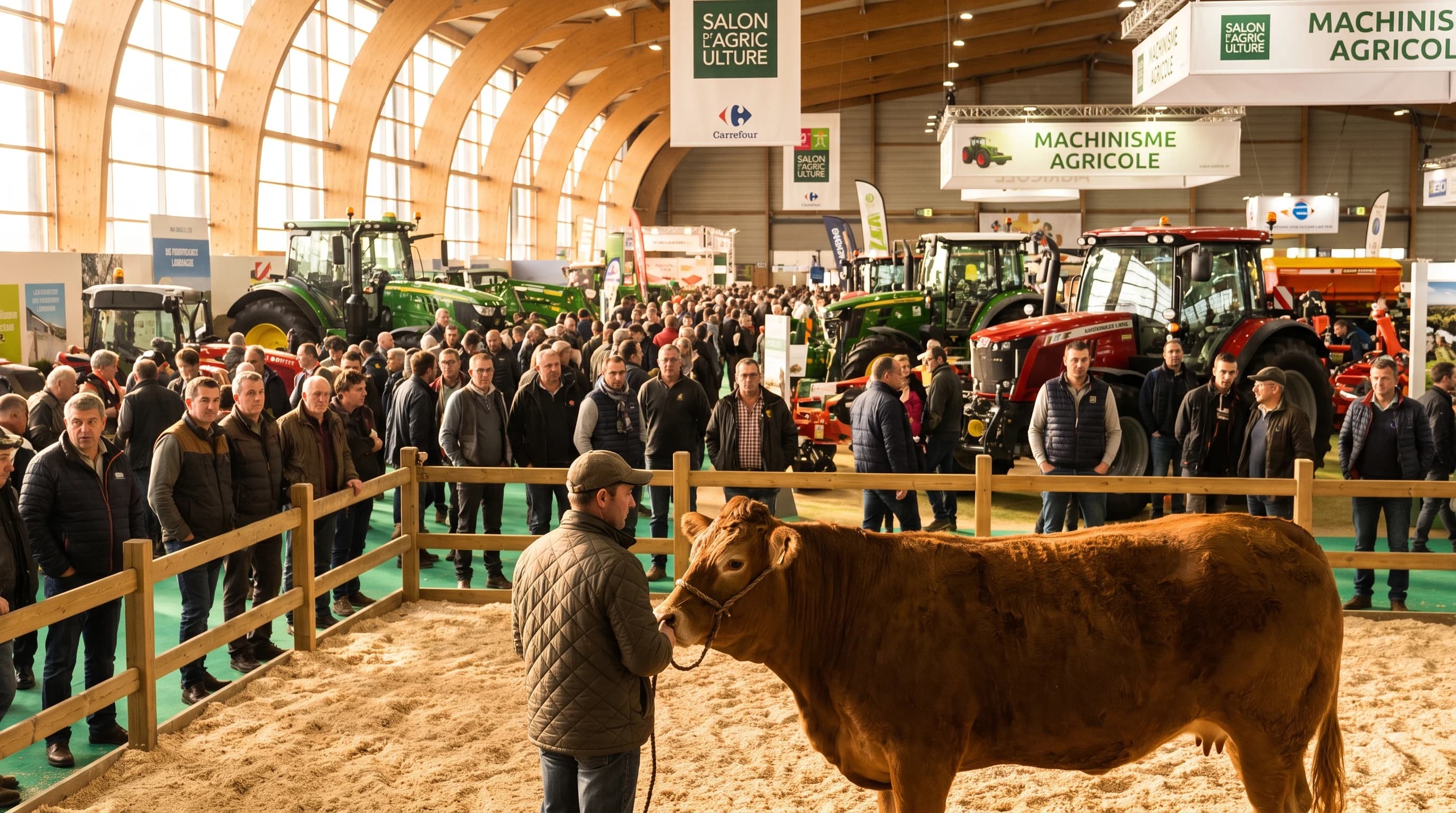
Verified dates for France's farm show season: SPACE Rennes, Sommet de l'Élevage, Vinitech-Sifel, SIVAL and the Paris International Agricultural Show 2027.
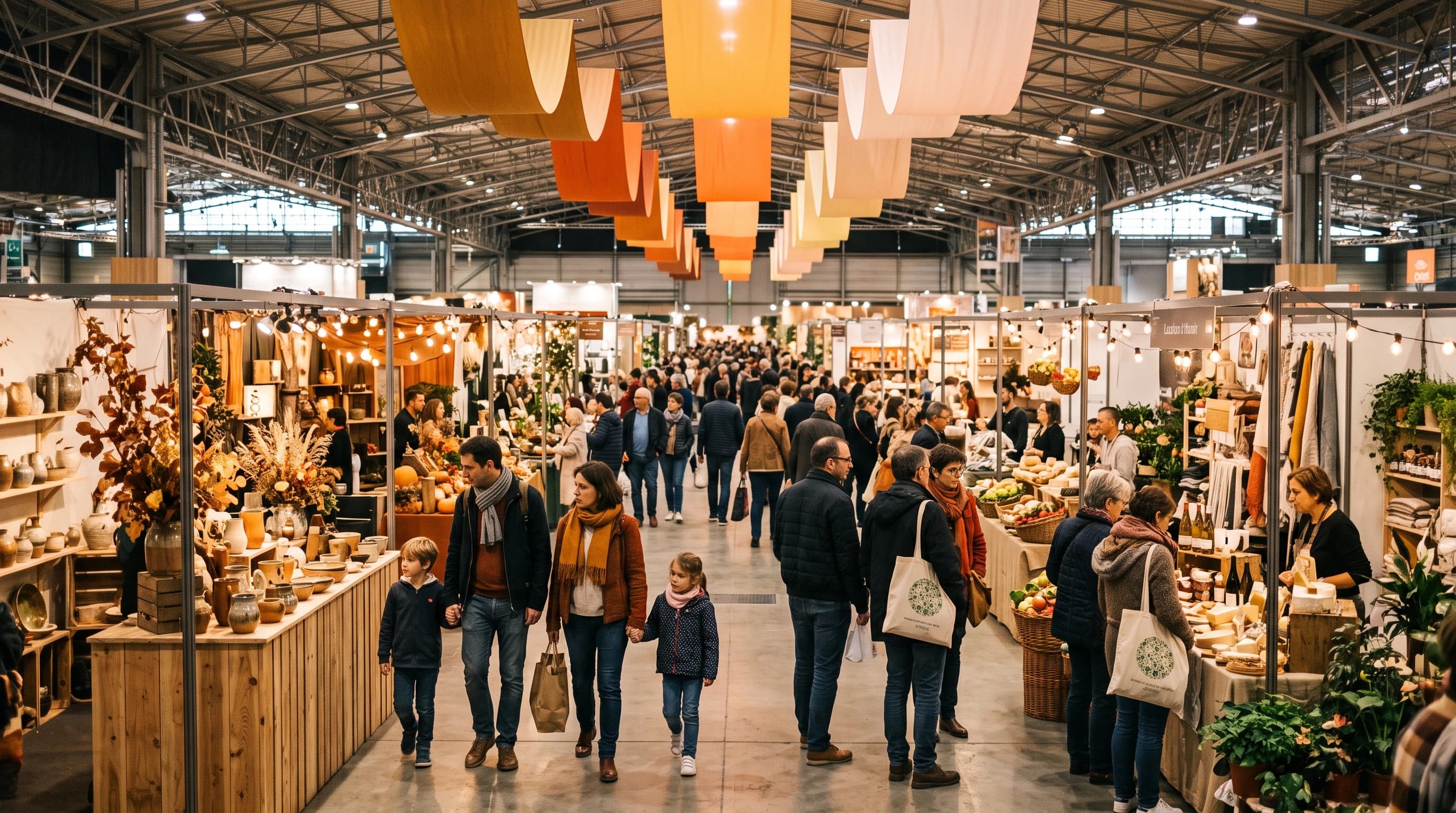
The calendar of France's major autumn fairs 2026: Châlons, Strasbourg, Marseille, Metz, Montpellier, Paris and Dijon, with confirmed dates and profiles.