Practical guides
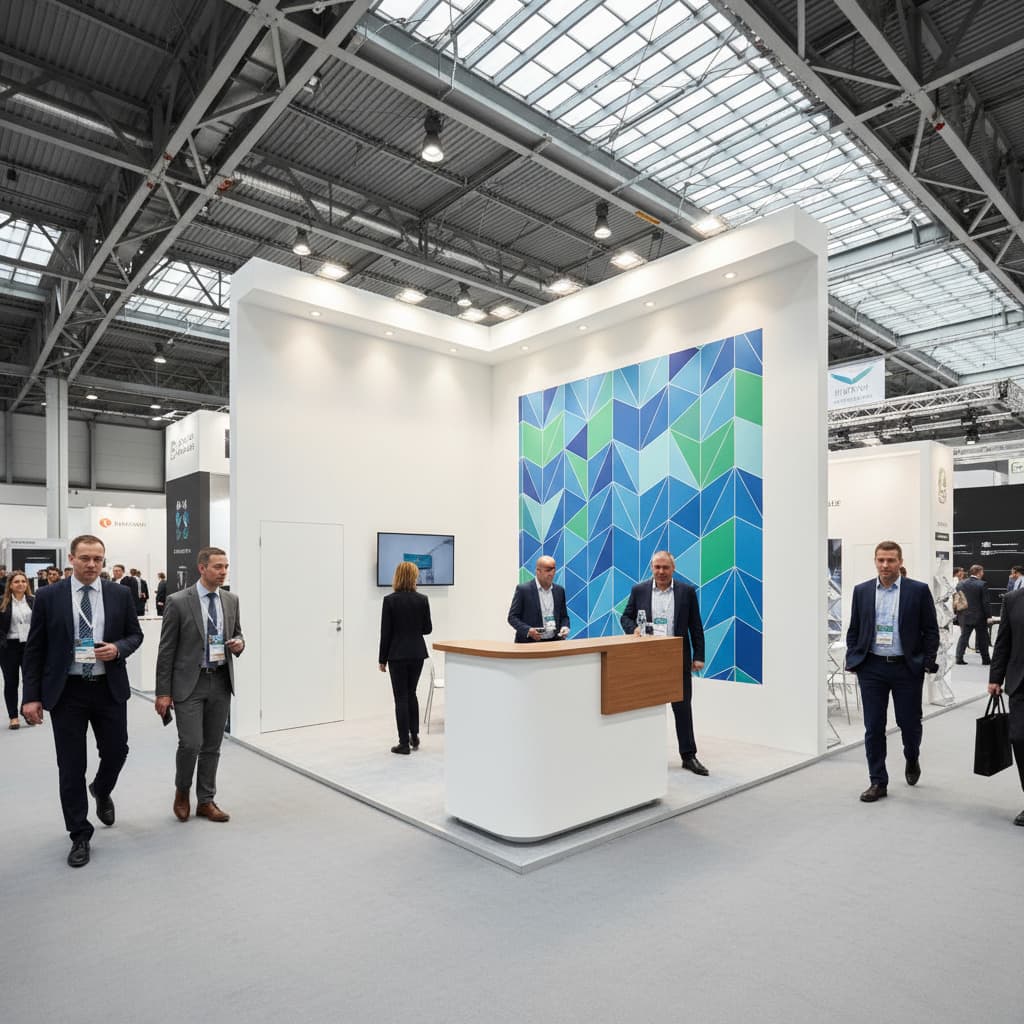
Trade Show Display Design: The Complete Booth Guide 2026
How to design a trade show display that attracts visitors and converts leads. Booth layout, display types, design mistakes to avoid: the full breakdown.
10 min

Craftsmanship is breaking records. But creators struggle to find sales outlets. Markets and fairs have a key role to play.

278,700. That's the number of new artisan businesses created in France in 2025, according to the Institute of Higher Trades. A historic record, +11% compared to 2024.
Among them, around 120,000 businesses in arts and crafts: jewelers, ceramicists, textile designers, leather workers...
The problem? These creators need to sell. And for many, markets and fairs remain the main sales channel.
The 2025 artisan doesn't look like the 1990 one. According to the ISM/MAAF barometer:
This new artisan is often:
Creating beautiful objects is one thing. Selling them is another.
Available sales channels:
The village Christmas market is fine for selling knitted hats. Less so for a ceramicist offering 150€ pieces.
I talked with creators who do the market circuit. What emerges:
Qualified audience. Selling to people looking for craftsmanship, not tourists passing without looking.
Proper conditions. A sheltered stand, electricity, sufficient lighting. Not a wobbly table under a leaking awning.
Reasonable pricing. 150 to 300€ for a weekend, not 500€ to fund village decorations.
Selection. Being next to a Chinese sock reseller kills the image.
Initiatives like Made in Montreuil, Marché des Créateurs (Lyon), or Les Puces du Design understood the formula:
Result: creator waiting lists to exhibit, audience showing up, satisfactory revenues for artisans.
Refusing 50% of applications is normal. Criteria:
A jury of 3-4 people (recognized artisans, gallery owners, design journalists) to avoid cronyism.
For a 50-exhibitor market over 2 days:
Revenues:
Expenses:
Margin: 7,000€ (33%)
It's profitable from the first edition if well executed.
A maker market in a multipurpose hall is sad. The same market in:
... and you have an Instagram-friendly event that promotes itself.
The ISM/MAAF barometer notes an interesting phenomenon: built heritage trades are exploding. Carpenters, glass artists, stone cutters, organ makers... Notre-Dame's reconstruction created a "pull effect".
These trades are less visible at classic maker markets. But there's an opportunity: craft trade days, workshop open houses, heritage shows.
Maker markets have their specificities:
What works:
What's superfluous:
"We have empty spots, let's fill them." No. A market with 30 good creators beats a market with 50 exhibitors including 20 resellers.
A Facebook post 3 days before isn't communication. Start 2 months ahead. Present creators one by one. Tell stories.
The artisan who spent 2 days poorly set up, feet in dampness, won't come back. And they'll tell their colleagues.
The day after the event, send exhibitors an email: thanks, attendance statistics, next edition date. Simple but so rare.
120,000 craft businesses in France. Thousands of creators looking for places to show their work.
Well-organized maker markets are an answer. Not the only one, but an accessible and profitable answer.
The challenge for organizers: position yourself as a quality reference. Be the market where creators want to exhibit and where the public knows they'll find real gems.
It requires rigor in selection, care in execution, and consistency in communication.
But the potential is there. Artisans are waiting.
Sources: ISM/MAAF Barometer 2025, CMA Île-de-France Key Figures 2025
How to design a trade show display that attracts visitors and converts leads. Booth layout, display types, design mistakes to avoid: the full breakdown.
Feedback on exhibitor management at professional trade shows. What works, what doesn't, and lessons learned.
Analysis of Japan Expo's attendance drop and what it means for manga convention organizers in France.