Industry
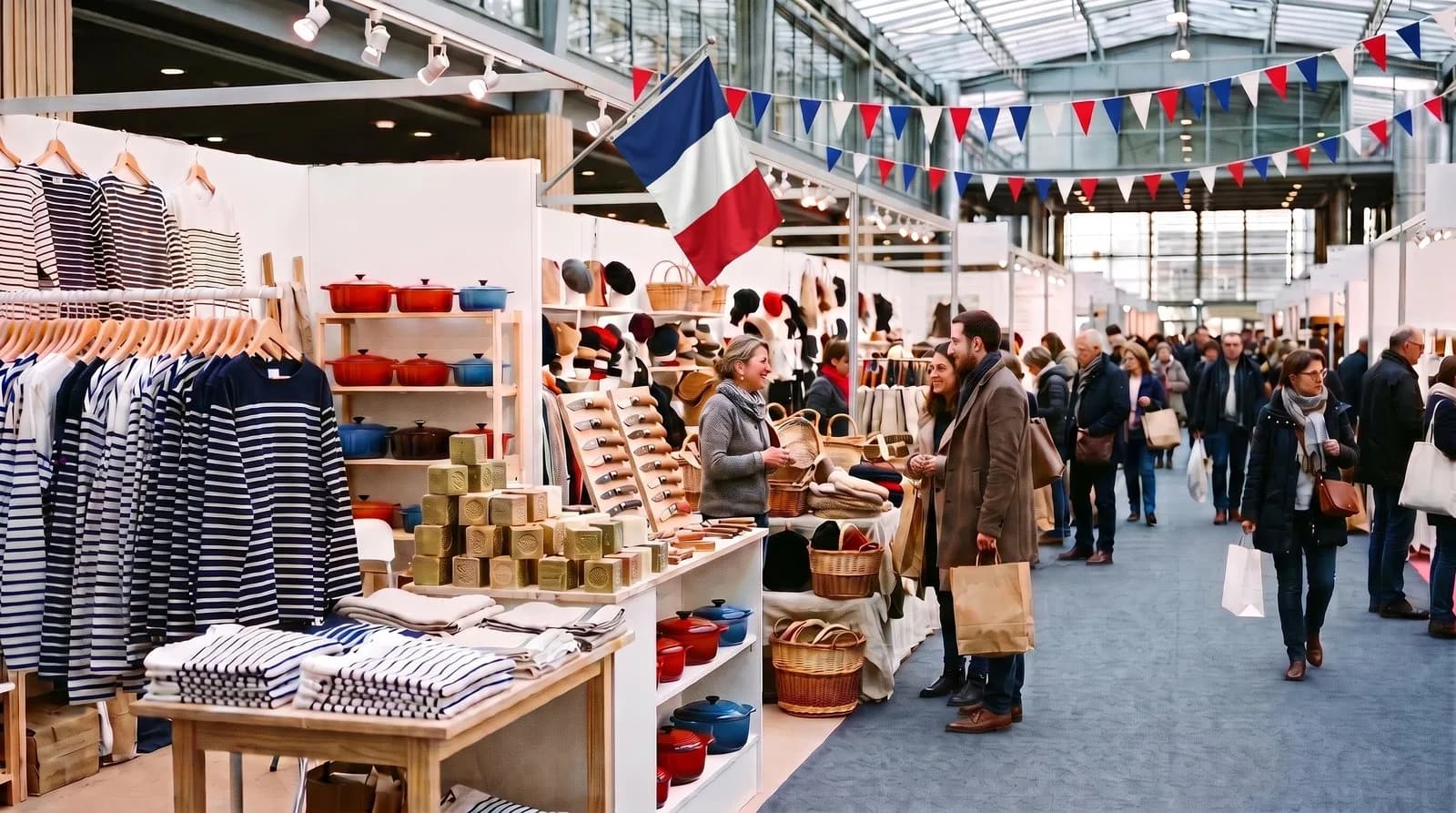
MIF Expo 2026: Salon du Made in France in Paris, 12-15 Nov
MIF Expo 2026, the Salon du Made in France, runs 12-15 November at Paris Expo Porte de Versailles: free entry, stand prices, who can exhibit and regional fairs.
17 min

Calendar of gastronomy and wine fairs across France in 2026, by city and region. Budget, exhibitor tips, organizer logistics: the complete guide.
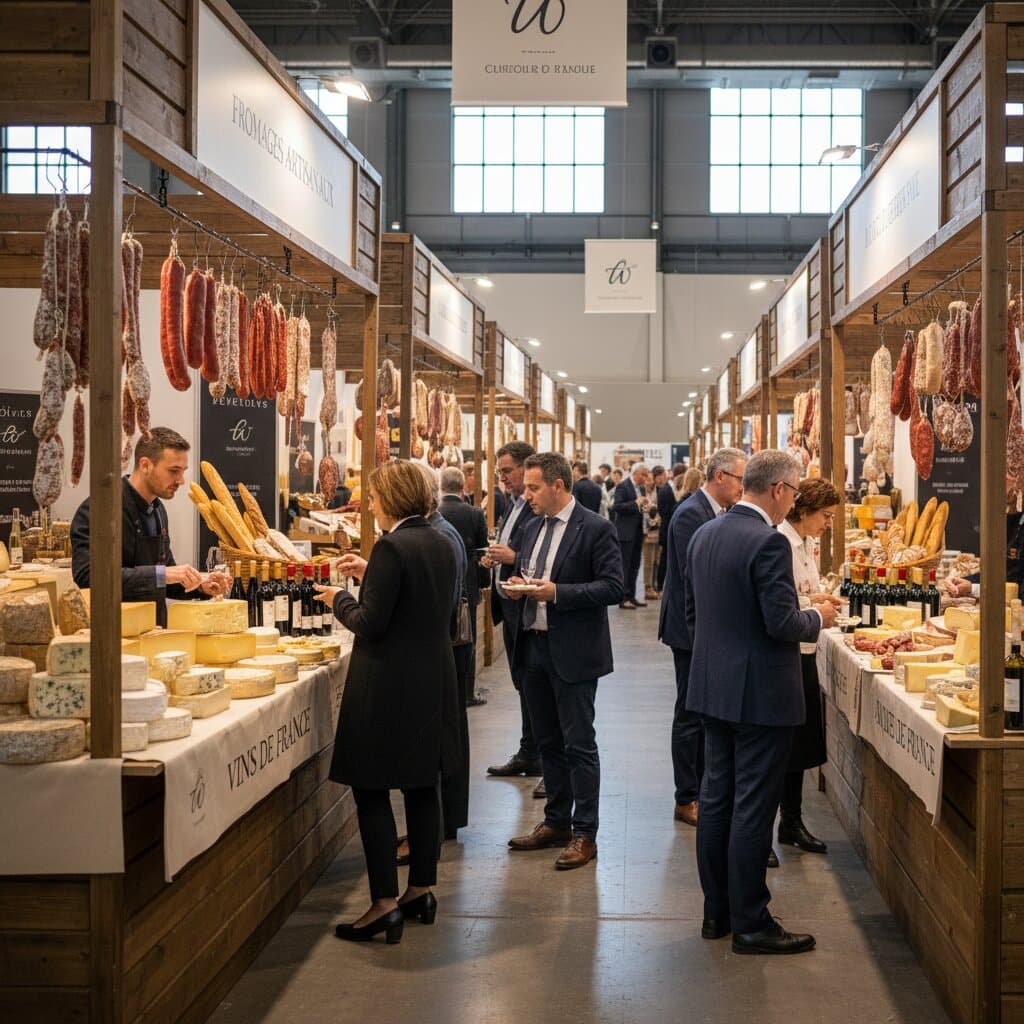
France and gastronomy : the relationship needs no introduction. According to UNIMEV (the French events industry body), food and gastronomy fairs account for over 15% of all consumer events in France, with attendance growing steadily since 2021. Between the wine-and-gastronomy fairs that tour the country, regional terroir events and major Parisian shows, the calendar is packed.
Whether you're an event organizer, an exhibitor (producer, artisan, wine merchant) or simply a food lover, here's what you need to know about gastronomy fairs in France in 2026.
Behind the word "gastronomy" you'll find very different event formats. Understanding the differences matters before booking a stand or planning a visit.
This is the dominant format in France. Wine and gastronomy fairs combine wine tastings (often from independent winemakers) with regional food products: cheeses, cured meats, honeys, chocolates, jams, olive oils. Visitors come to taste, buy and talk directly with producers. You'll find them in almost every mid-sized and large city in France, typically branded as "Salon des Vins et de la Gastronomie."
More local in scope, these fairs showcase a region's specialties: Corsican products in Marseille, Breton gastronomy in Rennes or Saint-Malo, Lyonnaise specialties in Lyon. The atmosphere is relaxed, stands are more modest, prices are accessible. It's often the first fair for small producers testing direct sales.
A different scale entirely. SIRHA in Lyon, SIAL in Paris : these are B2B shows where buyers from retail chains, restaurateurs and importers meet suppliers. Stands are expensive, the audience is targeted, and ROI is measured in signed contracts, not jars of jam sold.
The Paris Fair, Caen International Fair, Châlons Fair... Major regional fairs systematically include a gastronomy area. It's a good compromise for producers: large crowds (often 50,000 to 200,000 visitors across the entire fair), moderate stand costs, and strong local visibility.
Here are the key events of the year, with essential data for each fair.
| Event | City | Period | Visitors (est.) | Exhibitors (est.) |
|---|---|---|---|---|
| Salon des Vins et de la Gastronomie | Orléans | November | 15,000 | 150+ |
| Salon des Vins et de la Gastronomie | Bourg-en-Bresse | November | 20,000 | 180+ |
| Salon des Vins et de la Gastronomie | Troyes | November | 12,000 | 130+ |
| Salon Vins et Gastronomie | Caen | November | 18,000 | 170+ |
| Salon Saveurs et Terroirs | Rennes | October | 10,000 | 100+ |
| Salon Gastronomie et Terroir | Saint-Malo | April | 8,000 | 80+ |
| Salon des Vignerons Indépendants | Paris (Porte de Versailles) | November | 25,000 | 300+ |
| Salon des Vins de Loire | Nantes | February | 12,000 | 200+ |
| Saveurs des Plaisirs Gourmands | Vannes | November | 12,000 | 120+ |
| Festival des Gastronomades | La Rochelle | November | 30,000 | 100+ |
| Salon de la Gastronomie | Reims | November | 15,000 | 140+ |
| SIRHA | Lyon | January (odd years) | 240,000 | 4,000+ |
*Dates and figures estimated based on previous editions. Check each event's official website for up-to-date information.*
This is the most well-known network. Run as a touring circuit, it visits around ten cities each year between October and December: Orléans, Bourg-en-Bresse, Troyes, Caen, Rennes and more. The format is well-established: an exhibition hall with rows of stands, tasting areas, sometimes cooking workshops. The audience is loyal, many visitors return every year to reconnect with their favorite producers and discover new ones.
For exhibitors, the advantage of the circuit is pooling resources: you can do several cities in a row with the same equipment and logistics. The downside: travel expenses add up fast if you do the full tour.
SIRHA (Salon International de la Restauration, de l'Hôtellerie et de l'Alimentation) is France's largest professional food trade show. It takes place every two years in Lyon, next edition in January 2027, but exhibitor registrations open in 2026. With 240,000 visitors and 4,000 exhibitors, it's on a completely different scale. A 9 m² stand costs upward of €5,000. Strictly for professionals targeting the B2B market.
Brittany and the Atlantic coast are fertile ground for gastronomy fairs. Rennes, Saint-Malo, Nantes, Vannes, La Rochelle : each city has its annual event, usually in autumn. Audiences are receptive to local products (oysters, cider, salted butter, buckwheat), and organizers play the Breton or Charentais terroir card. The Festival des Gastronomades in La Rochelle stands apart: more of a culinary festival than a traditional fair, it draws 30,000 visitors over three days with chef demonstrations, tastings and public workshops.
Held every November at Porte de Versailles, this is Paris's unmissable wine event. 300+ winemakers, 25,000 visitors over 4 days. No resellers or merchants : only winemakers selling their own production. The format is straightforward: taste, chat, buy cases. Many visitors do their Christmas wine shopping here.
A gastronomy fair doesn't work the same as a tech expo or a book fair. Food imposes specific constraints.
In France, any event where food products are handled, stored or sold falls under EU Regulation 852/2004 and the Hygiene Package. In practice, this means:
Failure to comply risks administrative shutdown mid-event. Veterinary services (DDPP) conduct inspections, and they don't give advance notice.
Placing 150 food exhibitors in a hall isn't just filling in squares. You need to consider circulation, product compatibility, technical access and atmosphere.
Aisles must be wide : 3 meters minimum. Visitors at gastronomy fairs stop frequently (tasting, chatting, buying). Narrow aisles create bottlenecks.
Group by category : Wines together, cheeses together, sweet products together. Visitors navigate by interest, not randomly. A logical layout increases visit duration and average spend.
Separate strong-smelling products : Aged cheeses, smoked fish, spices... They need space and ventilation. Placing them next to a chocolatier would be a mistake.
Plan electrical access : Refrigerated display cases, demonstration cooktops, coffee machines... A gastronomy fair uses 30-50% more electricity than a non-food fair. Verify the hall's electrical capacity beforehand.
An interactive floor plan is especially useful here: it lets you map technical constraints (water points, heavy-duty outlets, ventilation) and integrate them from the design phase, not at the last minute.
Gastronomy fair exhibitors are often artisans or small producers. They're not used to professional trade shows, don't always read specifications carefully, and have highly varied needs: a fridge for one, a sink for another, a tasting counter for the next.
Good practices:
Centralized exhibitor management prevents these details from getting lost across dozens of emails and phone calls.
Not all gastronomy fairs are equal. Before booking a stand, ask yourself three questions:
At a gastronomy fair, the stand makes the sale. A few simple rules:
Here's what it costs to participate in a mid-sized regional gastronomy fair.
| Item | Range |
|---|---|
| Stand rental (6-9 m²) | €400 - 1,200 |
| Decoration and signage | €100 - 400 |
| Product stock and samples | €300 - 1,000 |
| Transport (vehicle + fuel) | €100 - 500 |
| Accommodation (1-2 nights) | €80 - 200 |
| Card terminal (rental) | €20 - 40 |
| Total | €1,000 - 3,340 |
At a Parisian fair (Vignerons Indépendants, for example), stand rates are 2-3 times higher. But visitor volume and average spend usually compensate.
The profitability rule: aim for revenue of 3-5 times your total participation cost. For a €1,500 all-in fair, you need €4,500-7,500 in sales. That's achievable at a 10,000+ visitor fair with well-presented products and generous tastings.
Here are the ranges for a mid-sized gastronomy fair (100-180 exhibitors, 2-3 days, provincial city).
| Item | Range |
|---|---|
| Exhibition hall rental | €12,000 - 40,000 |
| Setup (partitions, electricity, water) | €8,000 - 20,000 |
| Technical (sound, lighting, signage) | €3,000 - 10,000 |
| Marketing and communication | €5,000 - 18,000 |
| Security and insurance | €4,000 - 10,000 |
| Staff (setup, reception, teardown) | €4,000 - 12,000 |
| Waste management and cleaning | €2,000 - 5,000 |
| Total estimate | €38,000 - 115,000 |
The "setup" line is heavier than at a non-food fair because of water points, reinforced electrical supply and flow management.
| Source | % of Revenue |
|---|---|
| Stand rentals | 60-70% |
| Visitor tickets (€4-8 entry) | 15-25% |
| Options and services (electricity, fridge, furniture) | 5-10% |
| Sponsorship (food brands, wine associations) | 5-10% |
The revenue simulator lets you test different scenarios: exhibitor count, average stand price, ticket price. The surface calculator helps size the hall based on exhibitor numbers and the wider-aisle constraints specific to food fairs.
Wine sales and tastings are central to most gastronomy fairs in France. From a regulatory standpoint, you need:
As an organizer, also consider risk. A visitor who's tasted 30 wines in 3 hours and then drives is a problem. Partnerships with transport services (shuttles, ride-hailing) and responsible messaging are essential.
1. Underestimating electrical needs. This is the most frequent mistake. Refrigerated display cases, coffee machines and cooktops will trip breakers if power isn't properly sized. Inventory needs in advance and plan a 20% margin.
2. Neglecting ventilation. 150 food stands in a closed hall in November generates heat, humidity and odors. Insufficient ventilation turns the event into an unpleasant sauna.
3. Accepting too many similar exhibitors. 12 foie gras producers at the same fair frustrates everyone. Limit exhibitors per category to ensure a diverse offering and fair sales for each.
4. Forgetting post-event follow-up. Exhibitors want to know if it was worth it. How many visitors? What profile? What satisfaction level? Analytics tools let you produce a data-driven report and convince exhibitors to return the following year.
1. Not bringing enough stock. On Sunday at 11am, when shelves are empty, that's lost revenue. Better to have too much stock (unsold items keep or sell in your shop) than not enough.
2. Ignoring presentation. A folding table with jars lined up doesn't inspire. Invest in presentation: crates, tablecloths, lighting, signs ; the cost is modest and the impact on sales is real.
3. Not collecting contact details. An interested visitor who leaves without giving their email is a lost customer. A notebook, a QR code to a form, whatever the method, collect contacts for your follow-up.
Between €4 and €8 for a regional fair, usually free for children under 12. Major Parisian events charge €8-12. Online advance tickets are typically €1-2 cheaper. See our FAQ for more details on fair participation.
Yes. At minimum, a business registration number (SIRET) and professional liability insurance. For fresh products, compliance with the Hygiene Package is mandatory. Organic products must carry AB or Ecocert certification. Wines require a harvest declaration receipt. A serious organizer verifies these documents before confirming the booking.
The most popular fairs (Vignerons Indépendants Paris, SIRHA) open registrations 6-9 months before the event and fill up quickly. For regional fairs, 3-4 months ahead is usually enough. But for a good location, register as early as possible.
Three main levers: generous tastings (the number one reason visitors stop at a food fair), polished stand design (lighting, natural materials, uncluttered layout), and clear pricing displayed prominently. Producers who tell the story of their product (terroir, production method, anecdotes) consistently outsell those who wait passively behind their table.
Gastronomy fairs in France form a rich and varied ecosystem, from a small 50-exhibitor terroir fair in Saint-Malo to the giant SIRHA in Lyon. For organizers, it's a demanding format : health regulations, electrical logistics and alcohol management add layers of complexity compared to a standard fair. But the audience shows up, loyal and ready to spend.
For exhibitors, these fairs remain the best channel for direct sales and human connection with consumers. The key: choose the right event, prepare your trade show booth carefully, and never skimp on tastings.
Other thematic universes thriving in France:
Explore Keyqo's features to manage your exhibitors, floor plans and online reservations, or check our pricing to find the plan that fits your event.
Sources: UNIMEV, Key Figures of the French Event Industry 2025 ; France Congrès, Consumer Fair Panorama ; French Ministry of Agriculture, Food Fair Regulations ; Fédération des Vignerons Indépendants de France
MIF Expo 2026, the Salon du Made in France, runs 12-15 November at Paris Expo Porte de Versailles: free entry, stand prices, who can exhibit and regional fairs.
Salon des Maires 2026 from 24 to 26 November at Porte de Versailles: opening hours, badge, exhibiting formats, and the autumn calendar of the departmental mayors' fairs.
Le Bourget from 26 September to 4 October, then Rouen, Nantes, Rennes, Lyon and Bordeaux: the 2026 motorhome shows in France, with verified dates and prices.