Industry
Wine Fairs in France 2026: Dates, Retailers and Salons
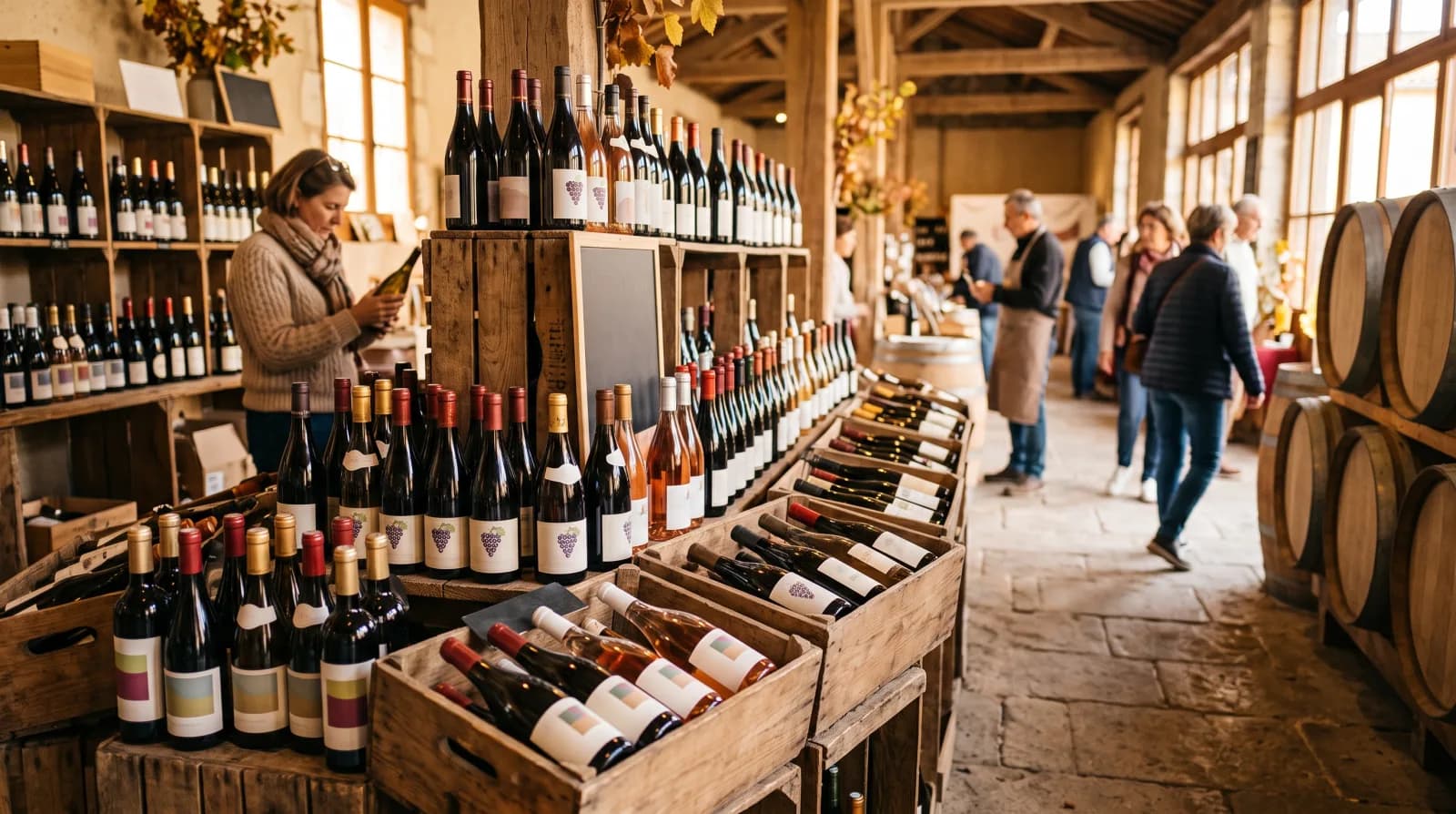
The 2026 wine fair calendar in France: autumn dates for Leclerc, Carrefour, Lidl and more, plus the big independent winemakers' salons worth visiting.
9 min

Paris, Tours, Bordeaux, Toulouse, Lyon, Annecy... All vintage fairs in France in 2026: dates, venues, prices, exhibitors and tips to make the most of them.
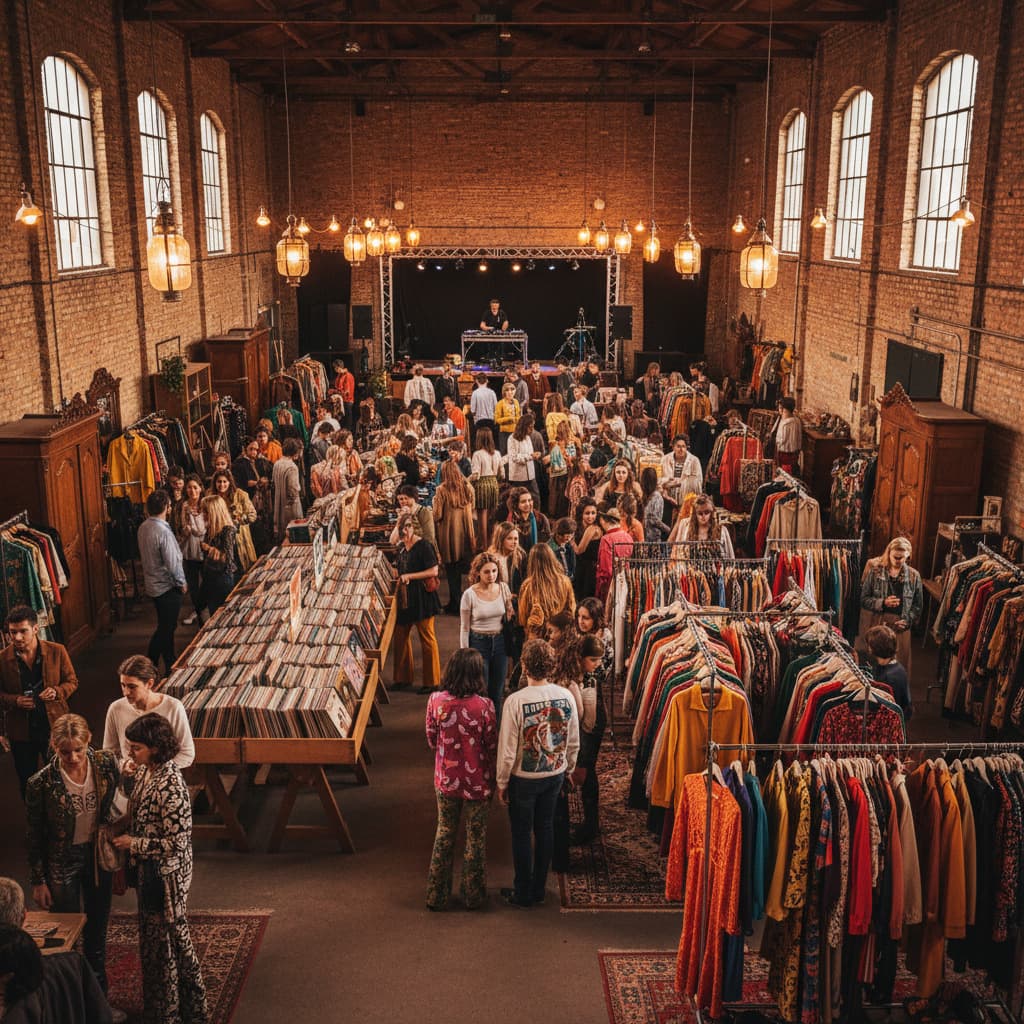
Vintage is everywhere. Fashion, furniture, vinyl records, decor, toys : what used to be secondhand is now a full-fledged market, driven by a generation that prefers thrifting over buying new. In France, vintage fairs have multiplied in recent years, growing from a few Parisian events to a national tour covering around twenty cities.
Whether you're a casual thrifter, a professional reseller, or an organizer looking to understand this event format, here's a complete guide to vintage fairs in France in 2026.
The vintage phenomenon is no longer a passing trend. According to the Institut Français de la Mode (IFM), the secondhand fashion market now represents over 7 billion euros in France. And vintage fairs are riding this wave directly.
The 18-35 age group is the engine behind these events. For them, buying vintage is both an ecological statement (circular economy, anti-fast fashion) and a way to stand out with unique pieces you can't find in stores. Vintage fairs regularly attract between 3,000 and 15,000 visitors per edition depending on the city.
What sets a vintage fair apart from a simple flea market is the atmosphere. DJ sets, food trucks, customization workshops, photo corners : the format blends shopping with experience. Organizers have figured it out: people don't just come to buy, they come to have a good time. That's what explains the queues at the entrance of some editions.
For exhibitors, the entry cost is affordable compared to traditional trade shows: between 150 and 500 euros for a booth depending on the city and size. For visitors, admission is around 3 to 6 euros. A model that allows multiplying editions without blowing budgets.
When it comes to vintage fairs in France, one name comes up consistently: Le Salon du Vintage. Founded several years ago, it's now the most well-known touring circuit, with about ten stops across France each year.
Le Salon du Vintage is primarily about fashion. Clothing, accessories, shoes, bags : all curated by specialized resellers. You'll find high-end vintage (Chanel, Hermès, YSL from the 80s-90s), collector streetwear (Nike, Adidas, Supreme), affordable thrift, and military workwear. Some editions also include vinyl records, decor, and furniture.
The Paris edition of March 2026 stands out with an "Ultimate Luxury" positioning. This is not a general vintage fair, it's a curated selection of luxury pieces.
Tours hosts one of the largest editions on the circuit with 150 exhibitors spread across 4,000 sqm. It's the edition that attracts the most visitors in the Centre-Val de Loire region.
A more intimate format. Annecy draws a loyal local crowd plus visitors from Haute-Savoie and neighboring Switzerland.
Toulouse is one of the most dynamic cities for vintage in France. The Halles de la Cartoucherie, a converted industrial site, provides a setting that fits the vintage universe perfectly.
The Bordeaux edition is held at the iconic Darwin venue, a former military barracks turned eco-cultural space. The setting (street art, raw concrete, alternative vibe) is one of the most photogenic on the circuit.
Lyon has its own major vintage event: the Marché de la Mode Vintage, hosted at La Sucrière. The format is similar but with its own identity and a more fashion-premium selection.
The vintage circuit doesn't stop there. Here are cities that regularly host editions and should be on the schedule for the second half of 2026:
Second-half dates are usually announced between May and July. Check salonduvintage.com for updates.
In many cities, associations or collectives organize monthly or quarterly vintage markets. Smaller (20-50 exhibitors), more local, but often with a curated selection and gentler prices.
A format on the rise: 100% fashion events where individuals sell from their own closets. Exhibitor fees are very low (10-30 euros), visitor admission often free. Less "premium" than vintage fairs, but perfect for finding pieces at low prices.
Some events specialize: vinyl records only (Record Store Day, Record Fairs), mid-century furniture and decor (design vintage fairs), toys and collectibles (collector conventions). These events attract passionate audiences willing to spend more.
The best pieces go fast. If you're looking for rare vintage or luxury, be there at opening. Some fairs even offer paid "early bird" access (10-15 euros) to get in an hour before the public.
Many exhibitors accept cards, but not all. Cash remains king in the vintage world. Bring small bills to facilitate negotiations.
Negotiation is part of the game, especially on the afternoon of the second day when exhibitors prefer selling over packing up. Stay respectful : prices often reflect real sourcing and curation work.
Sign-ups are typically done through the event's official website, several weeks in advance. Spots are often limited and go fast, especially for popular cities (Paris, Bordeaux, Toulouse).
Beyond the booth fee (150-500 euros depending on the city), plan for:
A well-prepared exhibitor can generate between 1,000 and 5,000 euros in revenue over a weekend, depending on the city and product type. Luxury vintage pieces have the best margins, collector streetwear sells fast.
If you're an organizer or considering launching your own vintage event, a few factors make all the difference.
An industrial warehouse, a former workshop, an alternative cultural space : the setting must fit the vintage universe. A municipal hall won't create the same atmosphere as a character venue.
This is what distinguishes a good fair from a flea market. The best organizers curate their exhibitors to ensure diversity and quality. Too many similar stands kills interest.
DJ set, pop-up bar, food trucks, workshops : visitors come back for the atmosphere as much as for the shopping. The event should be an outing in itself, not just a market.
Visitor flow management, signage, entrance payments, optimized floor plan : the quality of organization shows in the details. A well-organized fair converts visitors into regulars who'll come back every edition.
For organizers managing floor plans, booths, and exhibitor bookings, tools like the Keyqo area calculator can help optimize space layout before even getting started.
If you're organizing or exhibiting at other themed events in France, here are our complementary guides:
Vintage in France is no longer an underground market. It's a structured event circuit, with recurring players, flagship cities, and a loyal audience that grows every year. The 2026 calendar is particularly rich with confirmed editions from Paris to Bordeaux via Tours, Toulouse, Annecy, and Lyon.
To stay updated on dates and new editions, follow organizers on their social media and regularly check specialized websites.
---
Sources: Institut Français de la Mode, Secondhand Market Report 2025 ; salonduvintage.com, Official Calendar 2026 ; marchemodevintage.com, Dates and Venues 2026
The 2026 wine fair calendar in France: autumn dates for Leclerc, Carrefour, Lidl and more, plus the big independent winemakers' salons worth visiting.
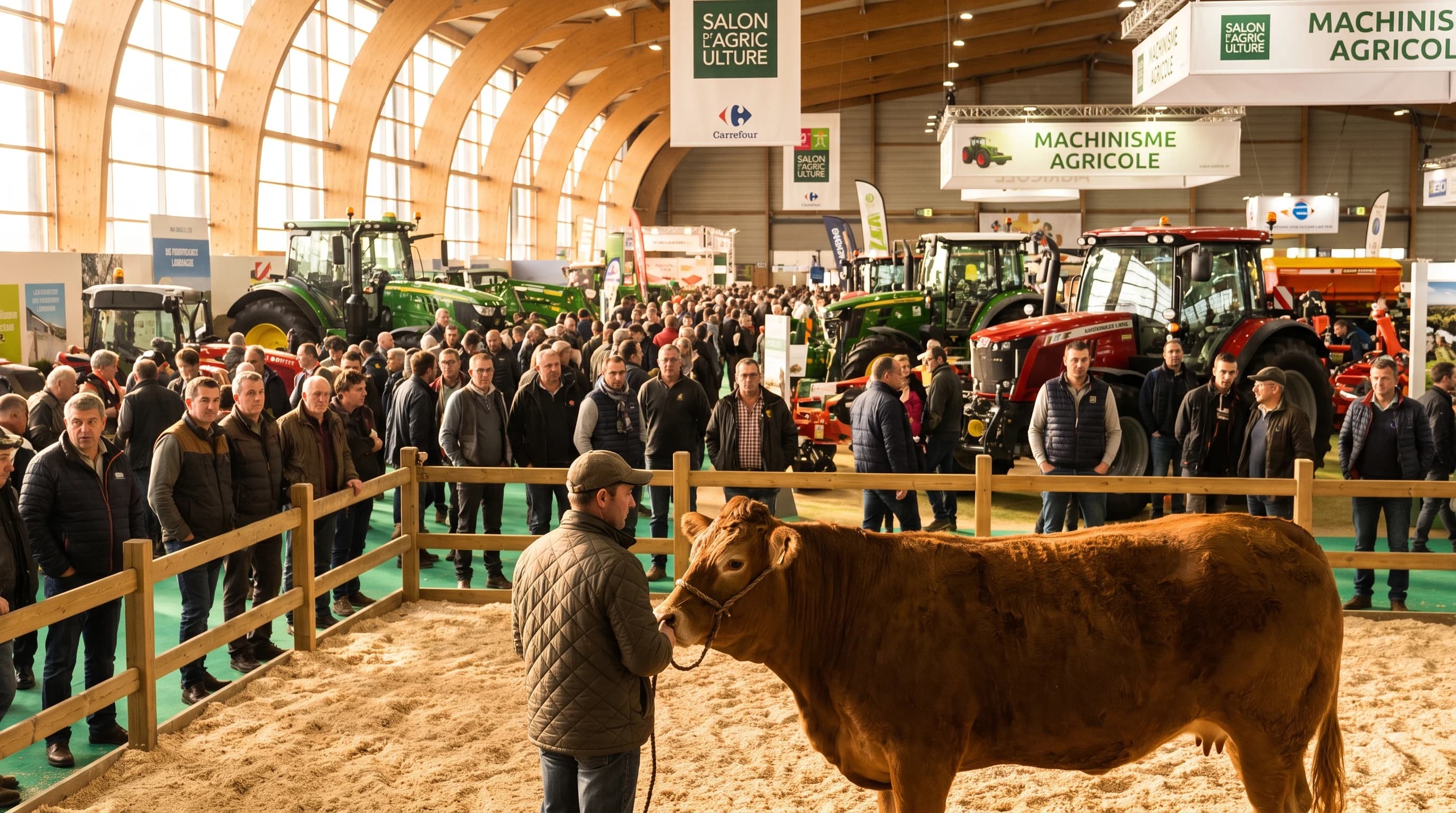
Verified dates for France's farm show season: SPACE Rennes, Sommet de l'Élevage, Vinitech-Sifel, SIVAL and the Paris International Agricultural Show 2027.
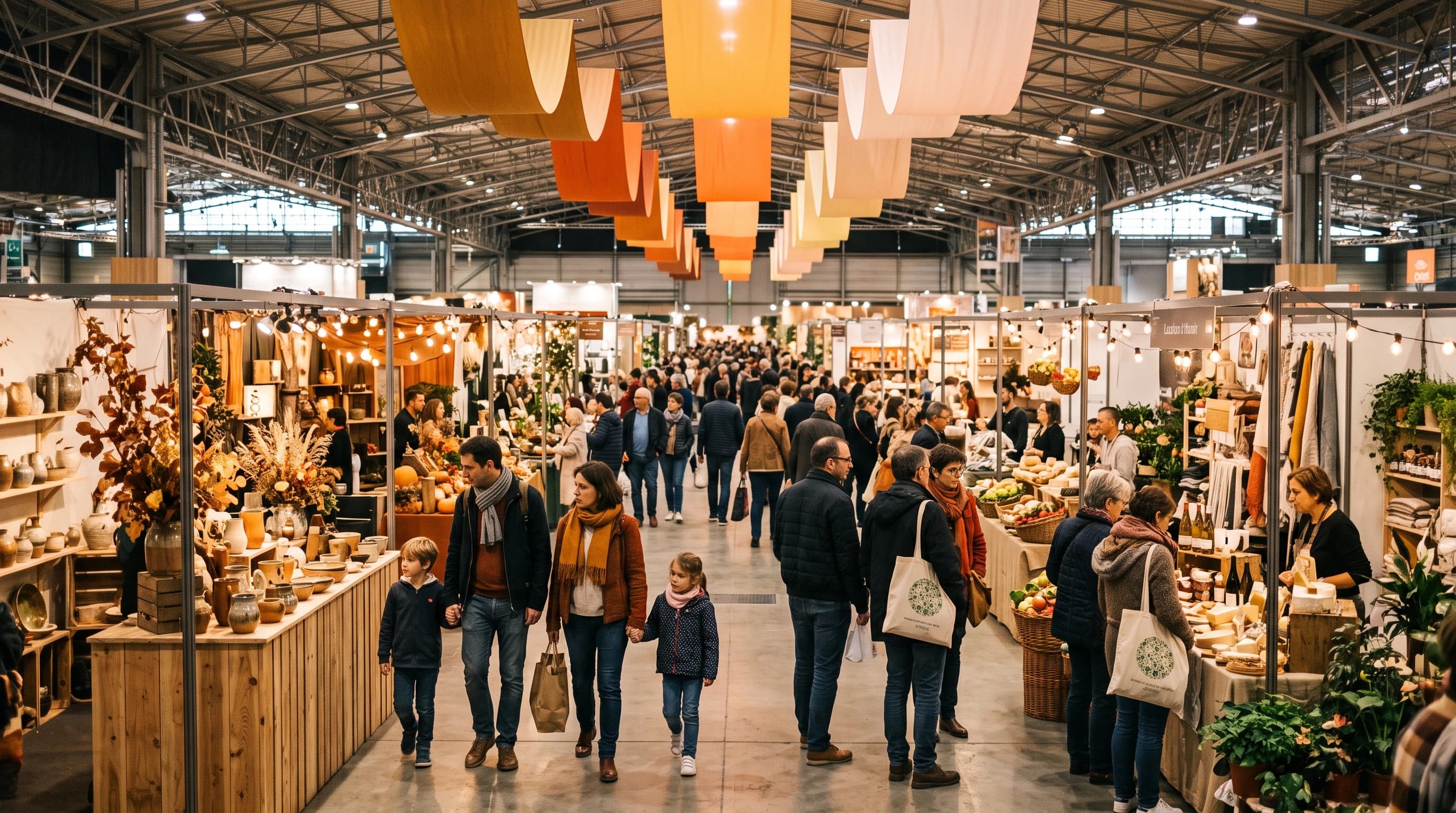
The calendar of France's major autumn fairs 2026: Châlons, Strasbourg, Marseille, Metz, Montpellier, Paris and Dijon, with confirmed dates and profiles.